
Field Note
Full-Moon Heat Reset: A July Weekend Plan for Northeast Fluke, Bass, and Bluefish
A practical July weekend plan for Northeast anglers after the full moon: where to find fluke, when to fish striped bass, how to handle heat, and what to check before keeping fish.
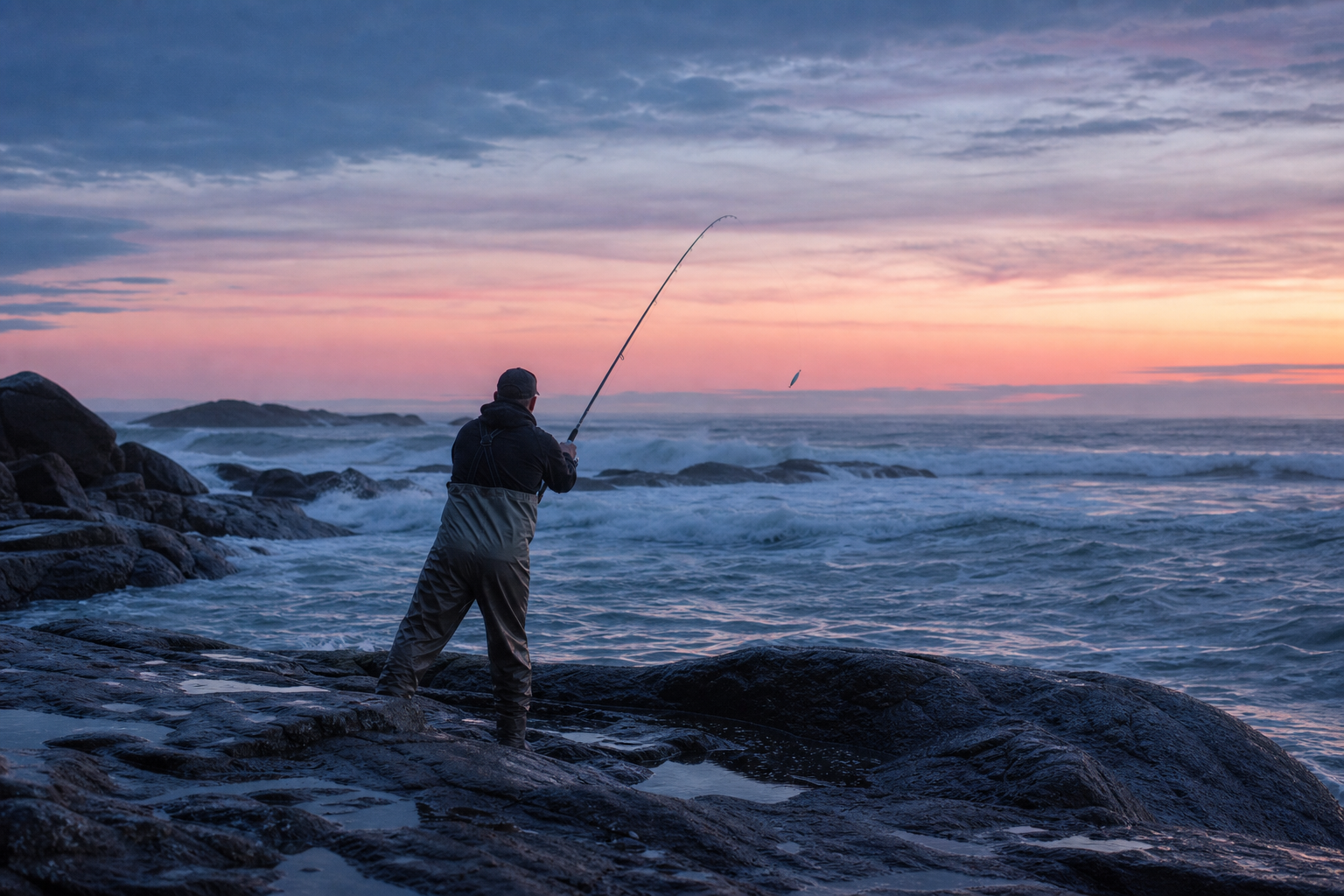
Quick take
The current Northeast pattern is a classic July reset: fluke are becoming the dependable daytime play, striped bass are best treated as a low-light or deep-current window, bluefish can rescue a slow tide, and heat safety now belongs in the trip plan before extra tackle does.
The first weekend after a July full moon can make Northeast saltwater fishing feel scattered. That is not necessarily bad news. It just means the smartest anglers stop asking one broad question — where are the fish? — and start building the day around target, tide, heat, and rules.
Recent regional reporting points to the same summer pivot across several Northeast lanes. On The Water’s July 9 Long Island and NYC report described the big Montauk bass bite as beginning to slow while keeper fluke were showing better from South Shore reefs and bays to Long Island Sound. The same report noted bluefish, bay fluke, sea bass, porgies, triggerfish, and offshore tuna in the broader mix. In Rhode Island, On The Water’s July 9 report highlighted a new body of fluke off South County, trophy stripers around Block Island, and recreational-size bluefin in the 25- to 40-mile range. Massachusetts’ current recreational saltwater regulations page, last updated April 28, 2026, also underscores why anglers need a state-by-state rules check before putting any summer mixed-bag fish in the cooler.
That combination creates a strong weekend playbook: fish bass where cool water, darkness, bait, and current overlap; use the brighter part of the day to work fluke and bottom structure; keep a bluefish option ready; and build the whole trip around heat, wind, and legal harvest checks.
Why this July window fishes differently
A full moon does not magically guarantee a bite, but it often sharpens the way anglers think about current, bait movement, night light, and post-moon adjustments. Add July heat, beach traffic, warmer shallows, and more boats, and the day gets less forgiving.
For surfcasters, a beach that looked alive at first light can feel empty by 9 a.m. For boat anglers, a promising drift can fall apart if wind fights tide or the fleet crowds a small piece of bottom. For families and weekend travelers, heat can turn a fun tide into a forced march.
The answer is not to fish harder all day. The answer is to divide the day into jobs.
The four-job weekend plan
- Low light: bass, bluefish, or scouting bait. Fish moving water before the sun gets high.
- Daytime: fluke, sea bass, porgies, or family action. Shift to structure, channels, reefs, docks, and protected water.
- Afternoon: reset, hydrate, and re-check wind. Do not force the hottest part of the day unless conditions justify it.
- Evening: return only if the tide, wind, and safety plan line up. A second short session often beats one punishing long one.
That framework works from Long Island to Rhode Island, Connecticut, Cape Cod, and much of the summer Northeast coast.
Start with the fluke plan, not as a backup
The most useful signal for many Northeast anglers right now is not that striped bass disappeared. It is that fluke are becoming a better primary plan in more places.
On Long Island, current reporting points to improving keeper fluke numbers from bays and South Shore structure to Long Island Sound. Rhode Island reporting points to a fresh body of fluke off South County. That lines up with a practical July reality: once heat and boat pressure squeeze the bass window, fluke let anglers keep fishing productively through more of the day.

Boat fluke checklist
Before changing colors, scents, rods, and rigs, check the boat control first:
- Drift speed: If the boat is sliding too fast, presentation suffers. Adjust angle, weight, drift sock, or location.
- Bottom contact: A bucktail or rig that only occasionally touches bottom is usually not fishing the strike zone long enough.
- Edge quality: Sand-to-rubble transitions, channel lips, reef edges, wreck approaches, shoals, and bait lanes deserve more attention than random flat bottom.
- Bait and profile: Bucktails, teasers, squid strips, spearing, and soft baits all have a place, but profile and speed matter more than tackle clutter.
- Legal check: Fluke rules vary by state and can change. Confirm the current state rule before the first keeper decision.
For Long Island anglers, this means not treating every trip as a Montauk-or-nothing bass hunt. Western Sound, South Shore bays, reefs, and ocean structure can all be part of a better July plan when the bass bite narrows.
Shore fluke checklist
Shore-bound fluke fishing gets overlooked because it is rarely as dramatic as a blitz. But in July, it can save a day.
Look for:
- Cuts and troughs along sand beaches
- Back-bay channels with clean moving water
- Inlet edges where small bait washes past ambush points
- Public piers and docks where legal access and current overlap
- Light jigheads or bucktails matched to depth and sweep
Keep expectations realistic. Shore fluke often means many shorts, a few legal chances, and steady learning. That is still better than roasting on a dead beach with a striper plug because the calendar says you wish it were May.
Treat striped bass as a window, not an all-day plan
The biggest mistake of July is fishing for striped bass like it is still spring.
Bass can still be available, and some large fish remain in play around deeper current, rips, reefs, Block Island, Montauk, boulder fields, inlet mouths, bridges, and bait concentrations. But warm water, bright sun, crowded beaches, and daytime boat pressure usually make the productive window narrower.
That does not mean quit bass fishing. It means compress the effort.
Better bass windows this weekend
Prioritize:
- Pre-dawn through early light
- Dusk into dark where access and safety allow
- Moving water around structure
- Cooler ocean-influenced water
- Bait schools, birds, and visible surface life
- Wind that improves the presentation instead of flattening the water into glare
Avoid turning a slow, hot midday bass grind into a fish-handling problem. If the water is warm, the fish are stressed, or release conditions are poor, switch targets. Catch-and-release is still fishing pressure.
For handling, have pliers ready, use tackle heavy enough to land fish efficiently, keep fish wet, minimize air exposure, and let the fish recover before release.
Keep bluefish in the plan
Bluefish are not a consolation prize. In July, they are often the species that turns a slow trip into a memorable one.
They can show on flats, around bait schools, inlet rips, sand beaches, boulder edges, and boat structure. They also force anglers to simplify: metal, poppers, pencils, swimming plugs, wire or heavy leader when needed, and a pair of pliers you can actually reach.
If kids or casual anglers are part of the trip, bluefish can provide fast action — but only if everyone is briefed on teeth, hooks, and safe handling. A flopping bluefish in a crowded cockpit or on a family beach blanket is not funny. It is a preventable injury risk.
Build the heat plan before the tackle plan
The National Weather Service heat guidance emphasizes limiting exposure during the hottest parts of the day, drinking water, and taking breaks. For anglers, that translates into a simple rule: if your trip plan has no shade, no water plan, no exit plan, and no cooler-weather window, it is incomplete.
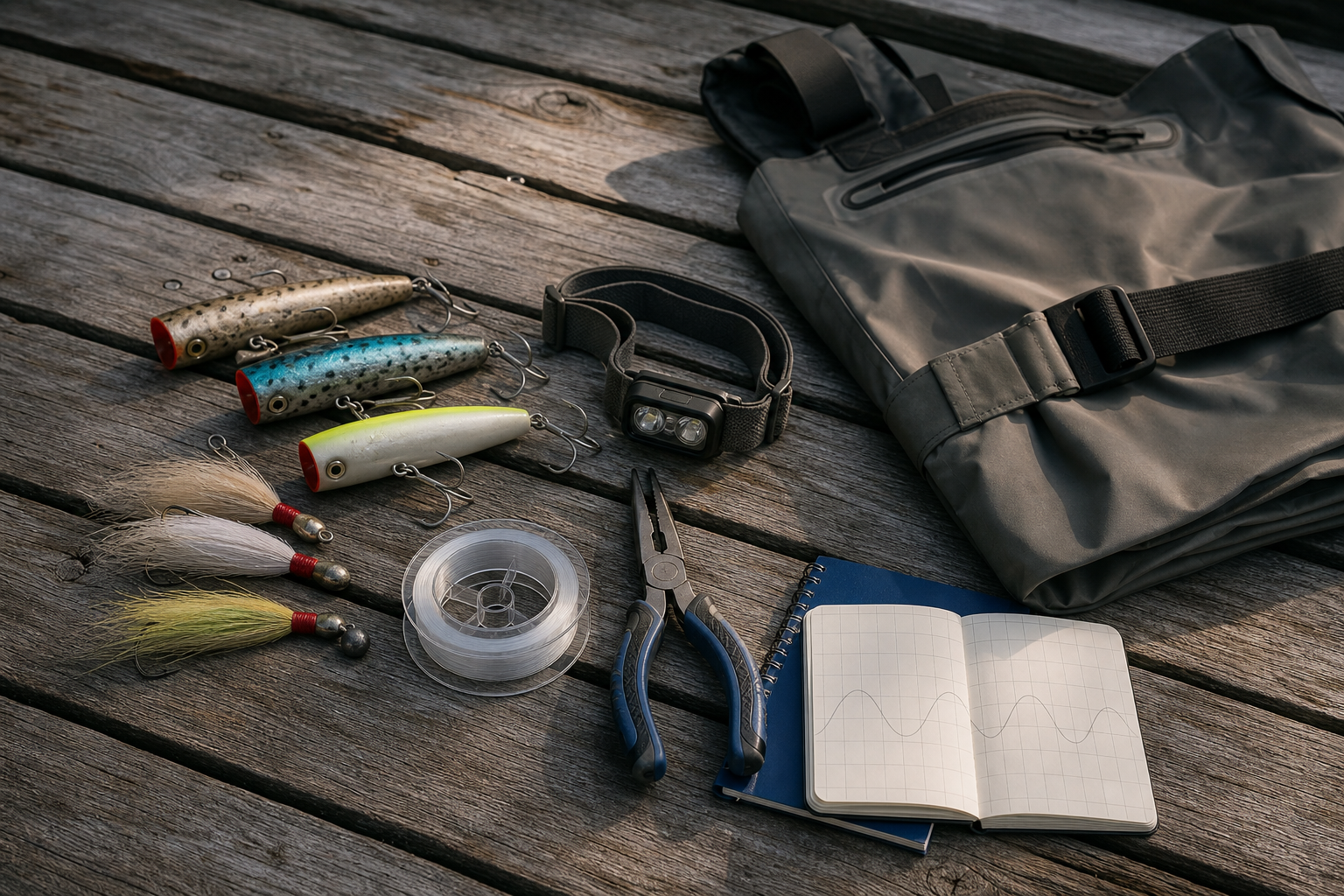
Pack this before extra lures
- More water than you think you need
- Sun hoodie or light long-sleeve fishing shirt
- Hat with real coverage
- Polarized sunglasses
- Sunscreen and lip protection
- Headlamp for dawn, dusk, or night access
- Pliers, dehooker, and leader cutter
- Tape measure or current ruler
- Phone in dry storage
- First-aid basics
- Rain shell if storms, spray, or a boat ride are possible
If you need to tighten the clothing side of the kit, start with the SteveFraney.com sun protection guide, fishing apparel guide, and rain gear guide. For surf and inlet sessions, pair that with the Long Island surf bag checklist.
Rules: check the official page before the cooler opens
Summer mixed-bag fishing creates a regulatory trap. One trip can encounter striped bass, bluefish, fluke, black sea bass, scup, weakfish, triggerfish, sharks, or tuna-adjacent offshore opportunities. Rules may vary by state, date, area, vessel type, and species.
NOAA Fisheries’ Northeast and Mid-Atlantic recreational regulations page says seasons, sizes, possession limits, and other rules may change during the year and points anglers to current species regulations and tools. Massachusetts’ recreational saltwater regulation page lists current recreational limits and notes that the state’s table is an unofficial copy, with the official rules maintained through state regulations. Rhode Island DEM and Maine DMR also maintain state marine fisheries regulation pages.
The practical takeaway: do not rely on a screenshot, dock talk, last year’s ruler sticker, or a memory from a different state.
Before keeping fish, check:
- The current state marine fisheries page
- NOAA Fisheries for federal or regional species context
- Any local access, beach, ramp, or night-parking rules
- Highly migratory species requirements if tuna, sharks, or offshore species enter the plan
A simple plan by angler type
Long Island surfcaster
Fish dawn or dusk around cuts, troughs, inlets, and moving water. Carry a compact plug and jig selection: bucktails, soft plastics, pencil popper, swimmer, and metal. If bass do not show and the beach has fluke water, switch to lighter jigs instead of grinding the wrong presentation.
Rhode Island or Block Island boat angler
If the marine forecast supports the run, fish the best bass structure early, then move to fluke or sea bass structure when light and heat build. Keep the drift controlled and avoid turning the day into a dangerous inlet or offshore decision if wind changes.
Connecticut or Massachusetts mixed-bag angler
Use local reports to choose one primary target and one fallback. In July, that often means striped bass early, then fluke, sea bass, scup, or bluefish depending on access and rules. Confirm Massachusetts, Connecticut, or Rhode Island regulations before keeping fish across state lines.
Family trip planner
Do not build the day around a hero fish. Build it around shade, bathrooms, action, safe casting room, legal access, and a short session. Piers, protected bays, snappers where legal, porgies where legal, small bluefish, sea robins, and simple bottom rigs can beat a long hot beach march.
The weekend takeaway
This is the Northeast July reset: bass are still part of the story, but fluke and mixed-bag structure are increasingly the practical daytime answer. Bluefish can rescue a tide. Heat can wreck a trip faster than a bad lure choice. Regulations need to be checked before fish go in the cooler.
Make the day smaller and smarter: one good low-light window, one structure plan, one heat plan, one official rules check.
Plan the next tide
Turn the weekend pattern into a specific fishing plan
Use SteveFraney.com to check reports, tides, weather, gear, safety, and official regulation links before you drive to the beach, ramp, inlet, or dock.
Sources and useful checks
- On The Water: Long Island and NYC Fishing Report, July 9, 2026
- On The Water: Rhode Island Fishing Report, July 9, 2026
- On The Water: Fishing Reports archive
- NOAA Fisheries: Recreational Fishing Regulations by Species
- Massachusetts: Recreational Saltwater Fishing Regulations
- Rhode Island DEM: Marine Fisheries Regulations
- Maine DMR: Saltwater Recreational Fishing Regulations and Tips
- National Weather Service: During a Heat Wave