Field Note
Long Island Surf Bag Checklist
A practical Long Island surf bag checklist for plugs, bucktails, metals, soft plastics, leaders, tools, waders, rain layers, and safe beach walks.
Quick take
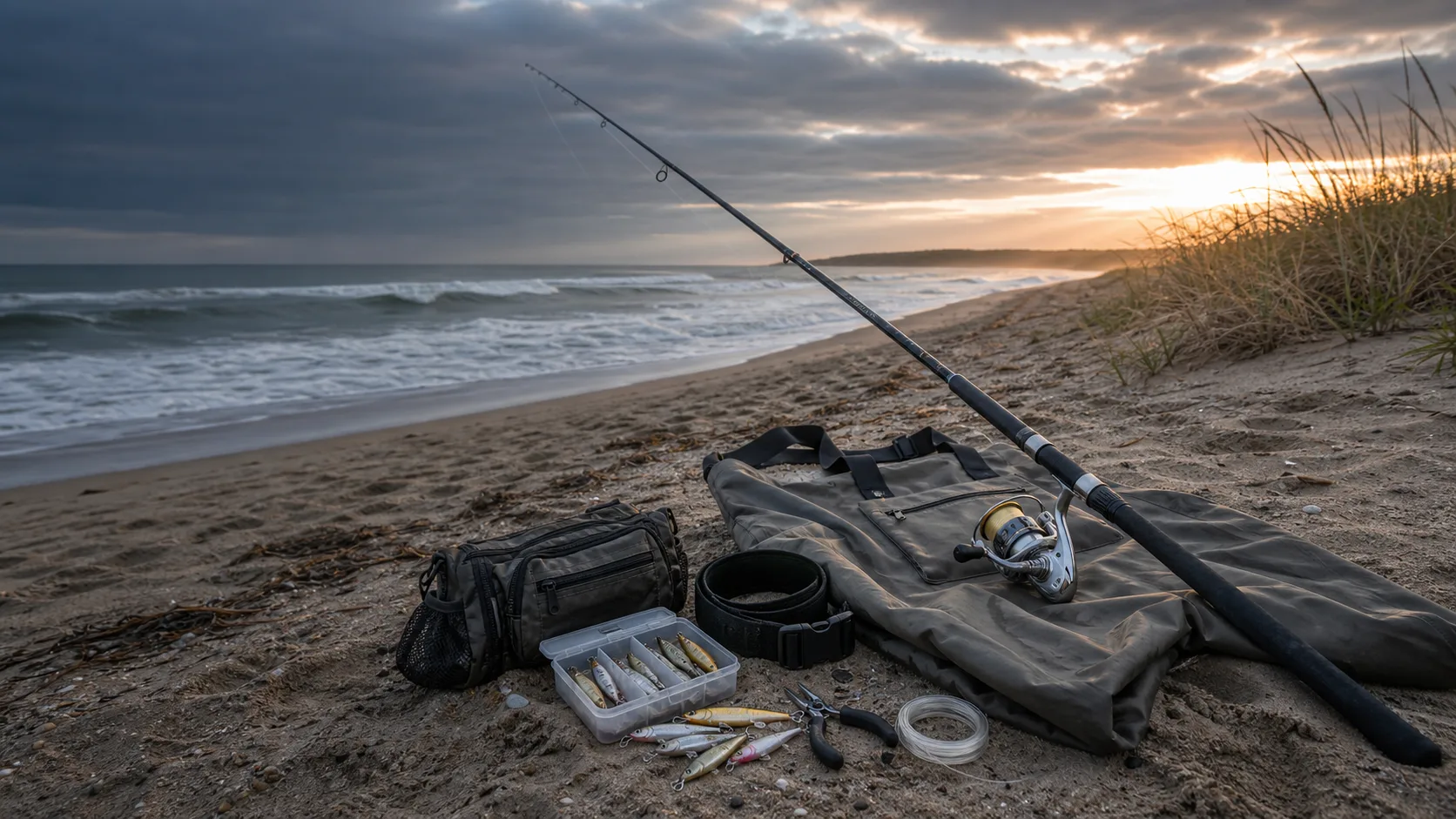
A Long Island surf bag should stay lean: a few swimmers, bucktails, soft plastics, metals, topwater, leader, clips, pliers, cutters, light, and safety basics. Match the bag to the tide, wind, season, and walk instead of carrying every lure you own.
The core surf bag
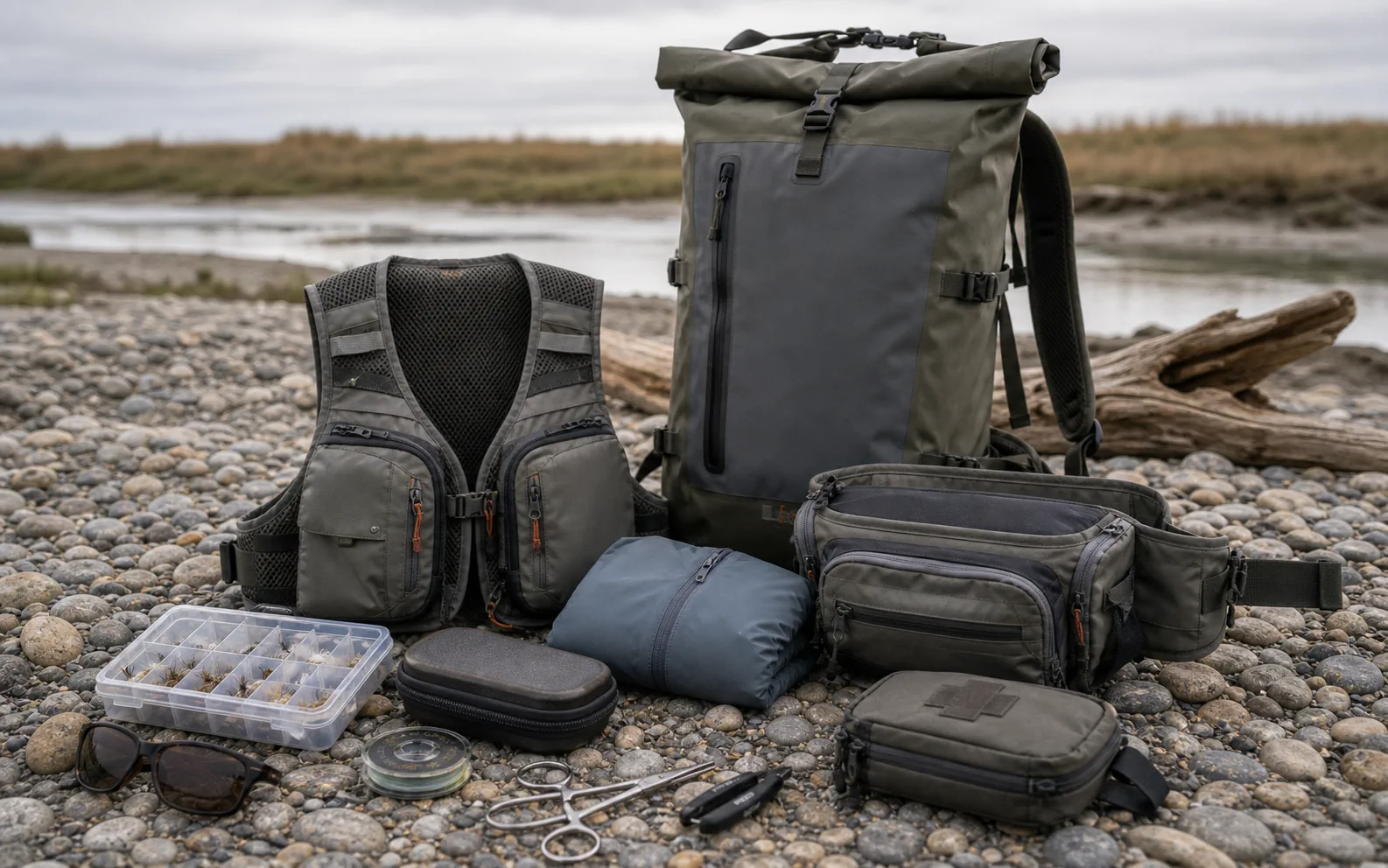
Start with categories, then choose exact lures by bait size, water depth, current, wind, and the species you expect.
| Category | What to carry | Why it earns space |
|---|---|---|
| Swimmers | 1 or 2 profiles | Steady retrieve, bait imitation, night and low-light work |
| Bucktails | Several weights | Depth control, current, inlet edges, bars, and sweep |
| Soft plastics | Light and heavier jighead options | Sand eels, spearing, peanut bunker, fluke bycatch, and subtle presentations |
| Metals or tins | Distance sizes | Wind, albies, bonito, bluefish, and small bait |
| Topwater | One pencil, spook, or popper | Active fish, daylight, bunker, and visual strikes |
| Terminal tackle | Leader, clips, hooks, split rings | Repairs, reties, and changing lure styles |
| Tools | Pliers, cutters, light, small first aid | Fish handling, hook work, night safety, and line fixes |
Spring stripers
In spring, keep the bag practical. Use bucktails, small swimmers, soft plastics, and a few plugs that match early bait. Cold water and moving current matter more than carrying a giant selection.
Bring a shell or warm layer even when the parking lot feels comfortable. Long Island spring surf can get cold fast when wind, damp waders, and sunset stack up.
Summer bluefish and mixed surf
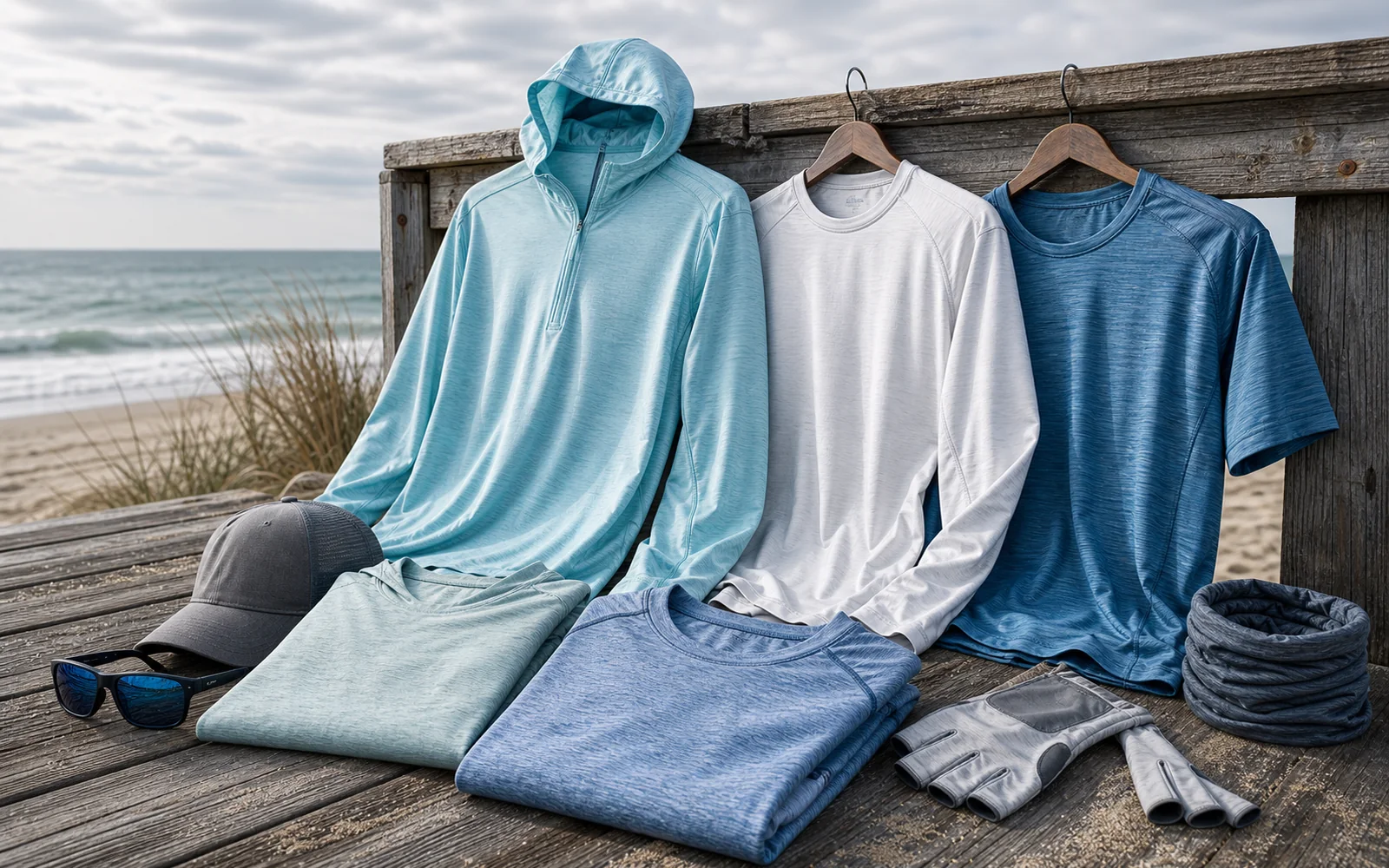
Summer bags can get lighter. Metals, topwater, soft plastics, and tough leaders become more useful when bluefish are around. Keep sun protection in the system: hooded shirt, hat, sunglasses, gaiter, and gloves.
If you are walking far, reduce duplicates. The best summer surf bag is the one you still want to carry after the first mile.
Fall run
Fall is when the bag can expand, but it still needs discipline. Carry enough to cover distance, depth, profile, and speed:
- A distance metal or epoxy-style casting option
- A bucktail range for sweep and inlet current
- One or two swimmers
- One topwater
- Soft plastics for sand eels or small bait
- Spare leader and clips
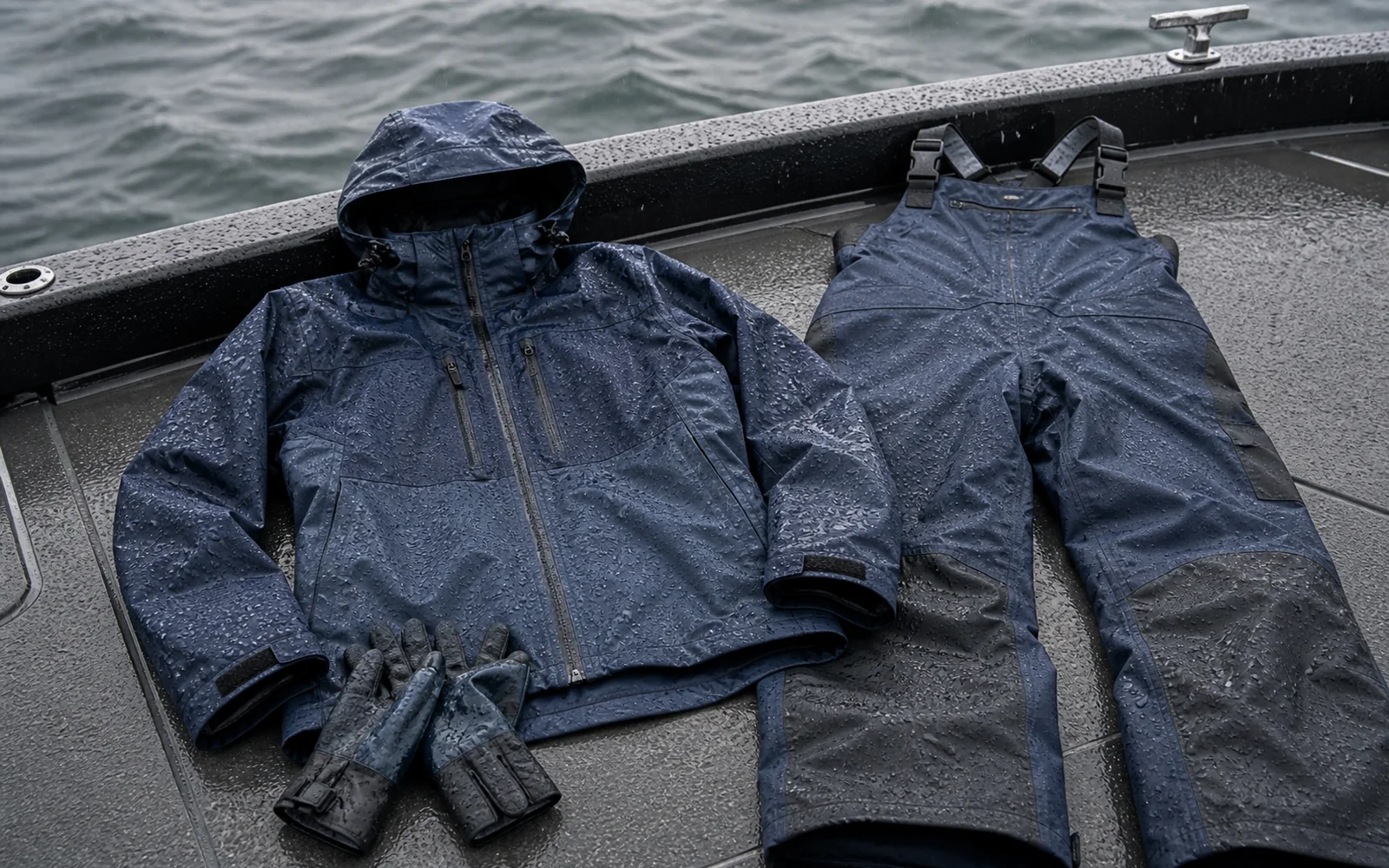
Do not forget rain and wind. A fall blitz can turn into a cold walk back if you dressed for the first cast instead of the whole tide.
Tools and safety
At minimum, carry pliers, cutters, a light, leader, clips, phone protection, and a plan for fish handling. Add a surf belt, wader belt, korkers or traction where appropriate, and do not wade aggressively around inlet sweep or unfamiliar bars.
If you fish at night, keep the bag layout consistent. You should be able to find pliers, leader, clips, and the next lure without dumping the bag in the sand.
Surf carry and weather layers
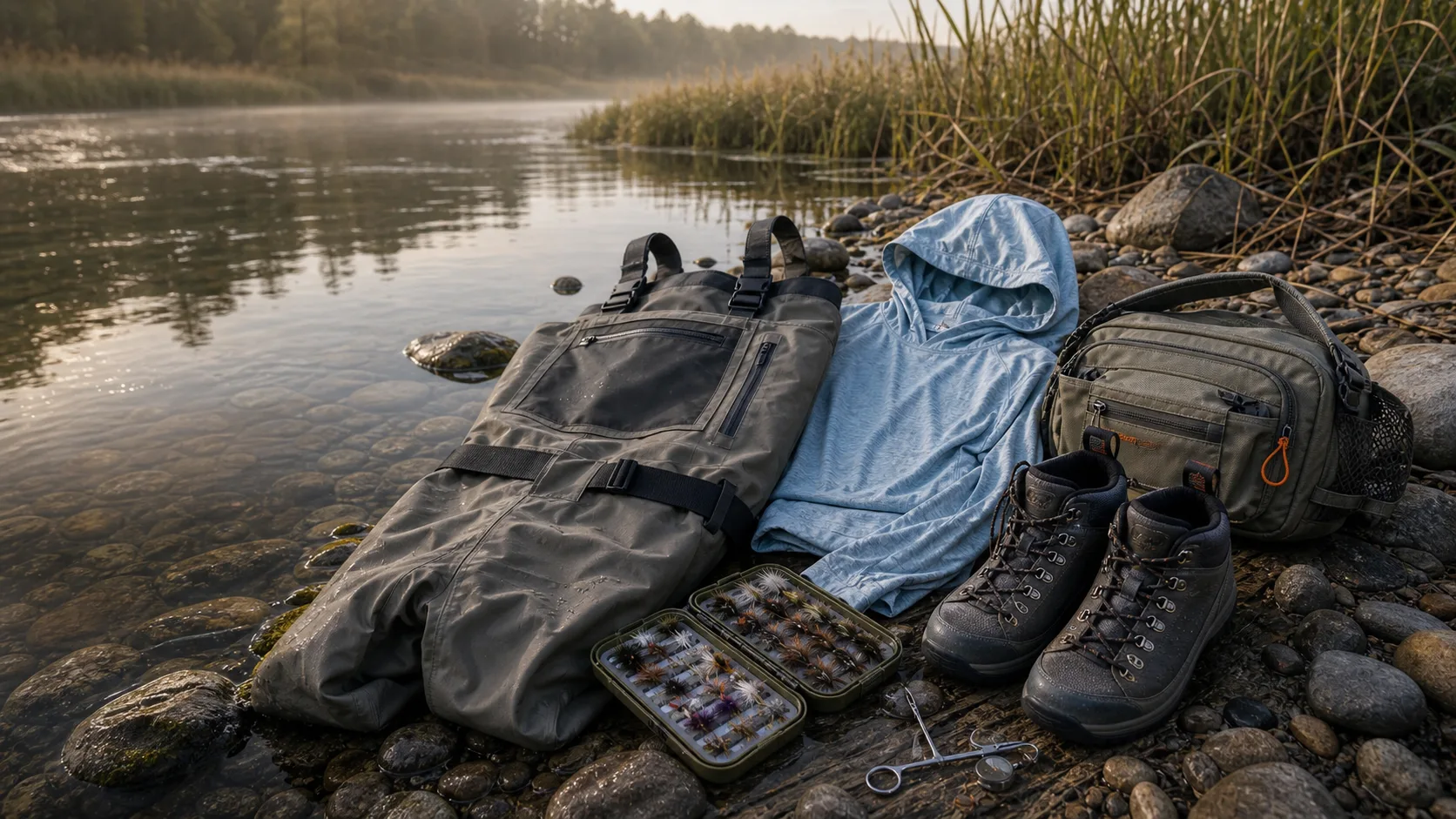
The bag is only one part of the system. Long Island surf sessions also need a carry setup, weather layer, and wet-access plan that match the walk. If the tide calls for waders, rain, or a long sand hike, use the focused Patagonia comparison paths for fishing packs and waterproof bags, waders and boots, rain jackets, and sun hoodies.
What to leave in the truck
Leave duplicate colors, lure sizes you will not throw in that wind, heavy plugs for a light-bait night, and gear that does not fit the walk. A surf bag is not a tackle shop. It is a short list of tools for the current tide.