Quick take
Island Beach State Park is one of New Jersey’s classic surfcasting beaches because it gives anglers long, undeveloped oceanfront, access to Barnegat Inlet influence, and enough room to move with the tide. For striped bass, treat it as a mobile beach fishery: read the cuts, troughs, bars, bait, wind, and sweep before deciding whether to fish bucktails, swimmers, metals, soft plastics, or bait.
This guide was checked on May 9, 2026. Before you go, verify park access, Mobile Sport Fishing Vehicle permits, the New Jersey Saltwater Recreational Registry, and current striped bass rules through NJDEP and NJ Fish & Wildlife.
This guide contains affiliate links. Product details, prices, sizing, and availability should be confirmed with the retailer before checkout.
Why Island Beach State Park works for stripers
Island Beach State Park sits on a protected barrier island between the Atlantic and Barnegat Bay. The oceanfront can set up with classic striper structure: outer bars, inside troughs, small cuts, bowls, washouts, and moving whitewater. Those features matter more than standing in one famous-looking spot.
The park is especially good when bait is moving. In spring, clams, bunker, spearing, sand eels, and warming water can pull bass along the beach. In fall, mullet, peanut bunker, rain bait, sand eels, and migrating bluefish can make the bite feel more sudden. The fish may slide past fast, so the best setup is one you can carry and adjust without unpacking half a garage.
Access and rules to check first
NJDEP says saltwater fishing is permitted along the ocean beach at Island Beach State Park except in designated swimming areas, and fishing access in the park is open 24 hours a day. Anglers 16 and older must register with the free New Jersey Saltwater Recreational Registry Program.
If you want to drive on the fishing beach, a Mobile Sport Fishing Vehicle permit is required. The permit is for fishing access, not beach cruising, and the park requires mandatory vehicle equipment such as fishing gear, a tire gauge, spare tire, jack support board, tow chain or snatch line, shovel, flashlight, fire extinguisher, first-aid kit, trash bag, and enough fuel. NJDEP also notes that no vehicles are allowed north of the Gilikins entrance.
Walk-in anglers can still fish the park without a beach vehicle. The Fisherman’s Walkway at parking area 7 is a useful landmark because NJDEP describes it as a boardwalk that provides access to both ocean and bay.
Current striped bass regulation check
For New Jersey striped bass, check the current NJ Fish & Wildlife marine regulations before every trip. As of this guide’s May 9, 2026 check, New Jersey law sources list a one-fish daily possession limit with a 28-inch to 31-inch total-length slot for striped bass, with special closed-water rules outside the Atlantic Ocean. If you are fishing bait for striped bass, use the required circle-hook setup and handle releases carefully.
The practical version: measure fish before keeping one, release overslot fish quickly, and do not assume last year’s rule is still this year’s rule.
Where to start without overthinking it
Start by looking, not casting. Walk the beach and find places where the water behaves differently:
- A deeper trough tight to the sand
- A cut where water drains through an outer bar
- A patch of nervous bait, birds, or repeated swirls
- Whitewater that gives bass cover in daylight
- The edge between clean water and dirty water after wind
- A current edge near the inlet end when conditions are safe
If nothing shows, fish a search pattern. Make a few casts, change angle, take a short walk, and keep moving until you find life. Island Beach rewards anglers who cover water.
Tides, wind, and conditions
The best tide is usually the tide that creates movement where you are standing. Around bars and cuts, the last of incoming and first of outgoing can expose useful current. Around the inlet influence, water movement can be stronger, more complicated, and more dangerous, so keep footing and sweep in mind.
Wind matters. A light west wind can clean up the surf and help casting. An east or northeast wind can push bait and water onto the beach, but it can also make the surf too rough for clean lure work. After a blow, look for edges where water color, foam, and bait start to settle.
Low light matters too. Dawn, dusk, night tides, cloudy days, and rough whitewater can all make stripers more comfortable close to the beach. Bright, calm, clear water often calls for longer leaders, smaller profiles, metals, or a move to darker hours.
A practical Island Beach striper tackle plan
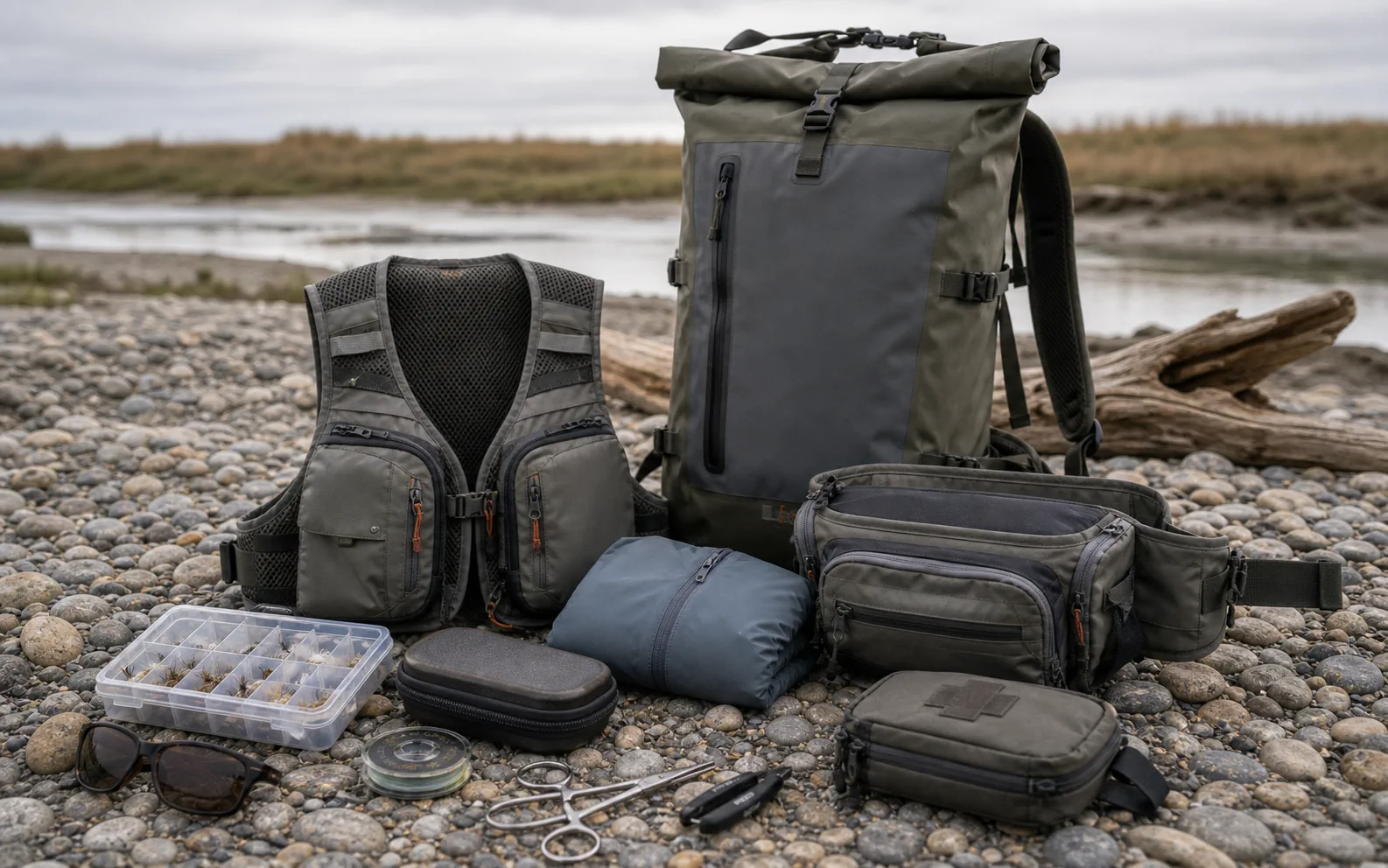
Keep the surf bag focused. A simple Island Beach striped bass kit can be built around these lanes:
- Bucktails from light enough to swim in a trough to heavy enough to hold in sweep
- Minnow swimmers for steady retrieves in low light and moving water
- Pencil poppers or other topwater plugs for active fish and daylight feeds
- Metals and slim epoxy-style jigs for wind, distance, sand eels, rain bait, bluefish, and albies
- Soft plastics on jigheads or weighted hooks for subtle presentations
- Leader material, clips, split rings, replacement hooks, pliers, and cutters
For rods, many surfcasters will be comfortable with a 9- to 11-foot surf rod depending on lure weight, casting distance, and whether they are plugging or soaking bait. Pair it with a saltwater spinning reel, braid, a leader you trust around sand and shell, and terminal tackle that is strong enough for bluefish and accidental larger bass.
Use the site’s tackle catalog for surf lure categories and the surf fishing gear guide for rods, reels, line, waders, bags, and carry systems.
Lures versus bait
Lures let you move quickly, cover beach structure, and react to visible bait. Bucktails and swimmers are the high-confidence starting point. Topwater and metals come out when fish are up or distance matters. Soft plastics shine when you need a smaller, quieter profile.
Bait can be effective when fish are traveling the trough or when the water is cold, dirty, or bait-focused. Use legal rigs, avoid unattended rods, and remember the circle-hook requirement when targeting striped bass with bait.
Seasonal notes
Spring is about warming water, bait arrival, and fish sliding north. Look for weather windows, cloudy water that is still fishable, and places where bait is pinned along the beach or inlet edges.
Summer can be tougher for daytime stripers, but night tides, bait, bluefish, fluke, weakfish, and occasional nearshore life keep the park interesting. During guarded-beach season, respect designated swimming areas and give non-anglers space.
Fall is the classic mobile surfcasting season. Mullet, peanut bunker, sand eels, rain bait, bluefish, albies, and migrating bass can all change the beach fast. Carry metals and topwater, but do not leave bucktails and swimmers at home.
Winter and early-season windows are quieter, colder, and more condition-dependent. Dress for wind and water temperature, not just air temperature.
Safety and etiquette
Island Beach is wild enough that small decisions matter. Stay off dunes and vegetated areas, keep out of closed or protected zones, pack out trash and discarded line, and give other anglers room to cast. If you are driving on with a permit, air down appropriately, carry the required equipment, stay in designated vehicle areas, and treat the beach like a shared fishing access lane.
If you are wading, do it conservatively. A small trough can become uncomfortable fast when sweep builds. Do not turn your back on the surf, and be extra careful near Barnegat Inlet current, rocks, and jetty influence.
What to wear for Island Beach conditions
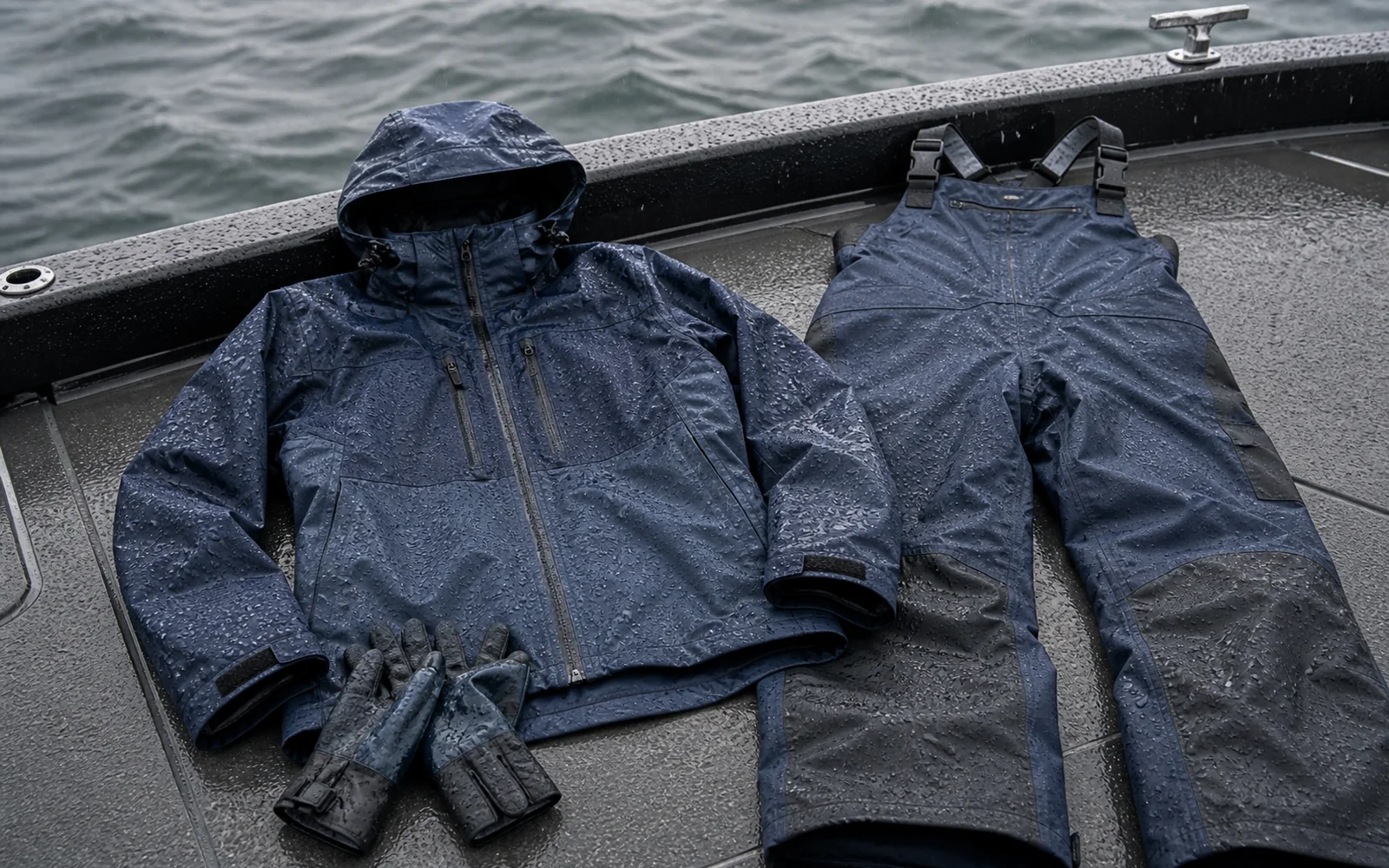
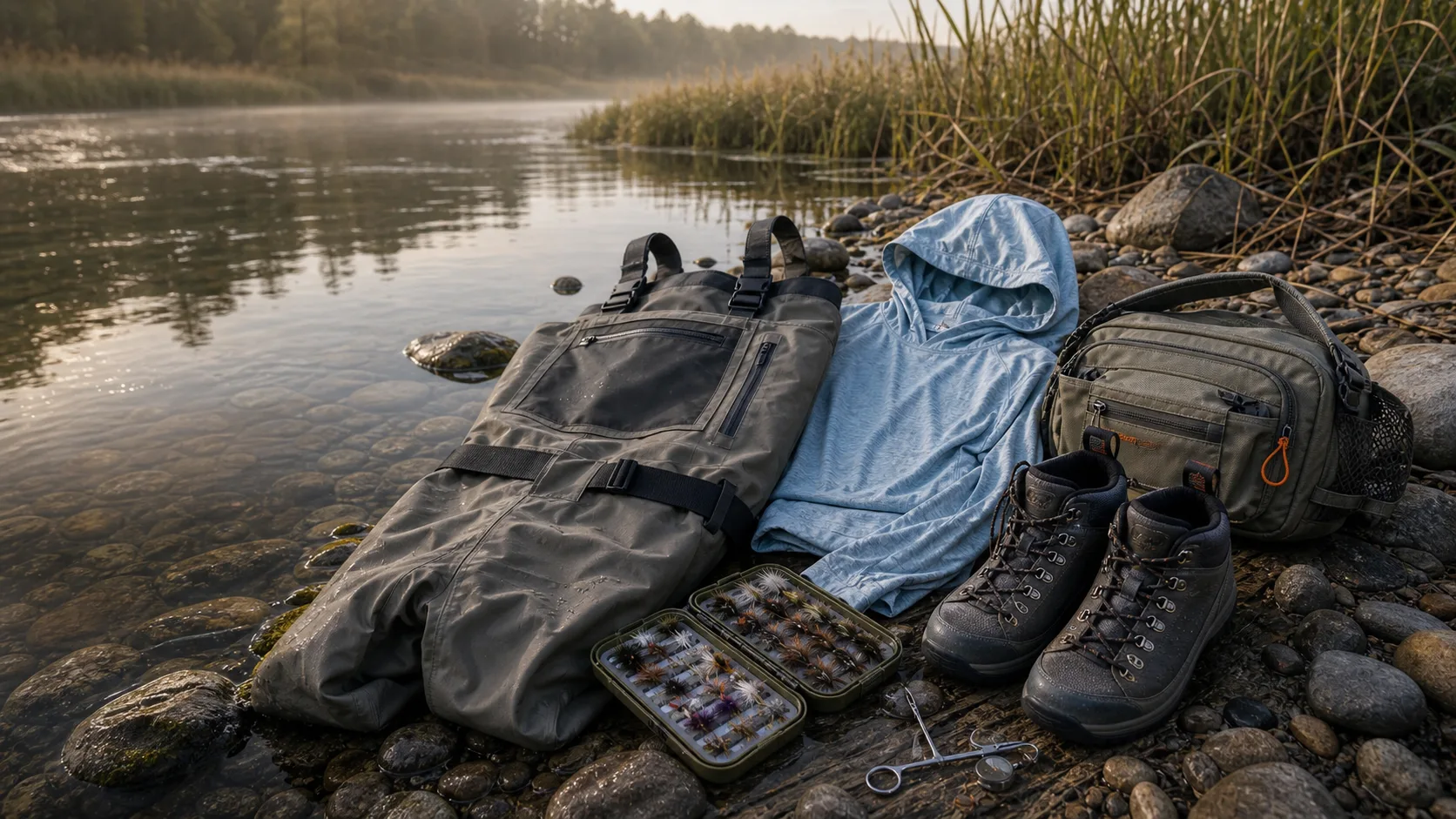
Surf reports should change the clothing plan. Bright summer sand and open water point toward sun shirts, hats, gaiters, gloves, and sunglasses. A northeast wind, unsettled front, or long walk in spray points toward a shell or rain layer. Wet ramps, docks, and light shoreline access can justify deck footwear, but true surf wading still belongs with waders, boots, belt, and surf-specific safety decisions.
Useful official links