
Field Note
July Heat Fishing Plan for Northeast Saltwater Anglers
A practical July heat fishing plan for Northeast saltwater anglers: dawn stripers, daytime fluke and sea bass, safe release habits, boat prep, and gear checks.
Quick take
When July heat settles over the Northeast coast, make the day smaller and smarter: fish striped bass in the coolest moving-water windows, move fluke and black sea bass work into tide-and-structure periods, build shade and hydration into the plan, and verify local rules before keeping anything.
The first week of July is not just another fishing week. It is the point where Northeast saltwater fishing becomes crowded, hot, tide-dependent, and safety-sensitive all at once.
Recent late-June regional reports from Rhode Island, Connecticut, and Cape Cod show the usual summer mix taking shape: striped bass still matter, bluefish are in the conversation, and bottom-fishing effort for fluke, black sea bass, scup, and other table-fish targets is part of the daily plan. At the same time, official regulation pages from NOAA Fisheries and New York DEC are a reminder that size limits, possession limits, open seasons, and state boundaries have to be checked before fish go in the cooler.
This is the practical July adjustment: stop treating the whole day as one fishing window.
A hot-weather Northeast trip should be split into decisions: cool-water striper window, daytime structure plan, safety plan, and regulation check. Get those four right and the day becomes easier to fish, easier on the fish, and easier on the people in the truck or boat.
The July heat rule: compress the striper window
Striped bass can still be worth targeting in July, but the best plan is usually narrower than it was in May or early June.
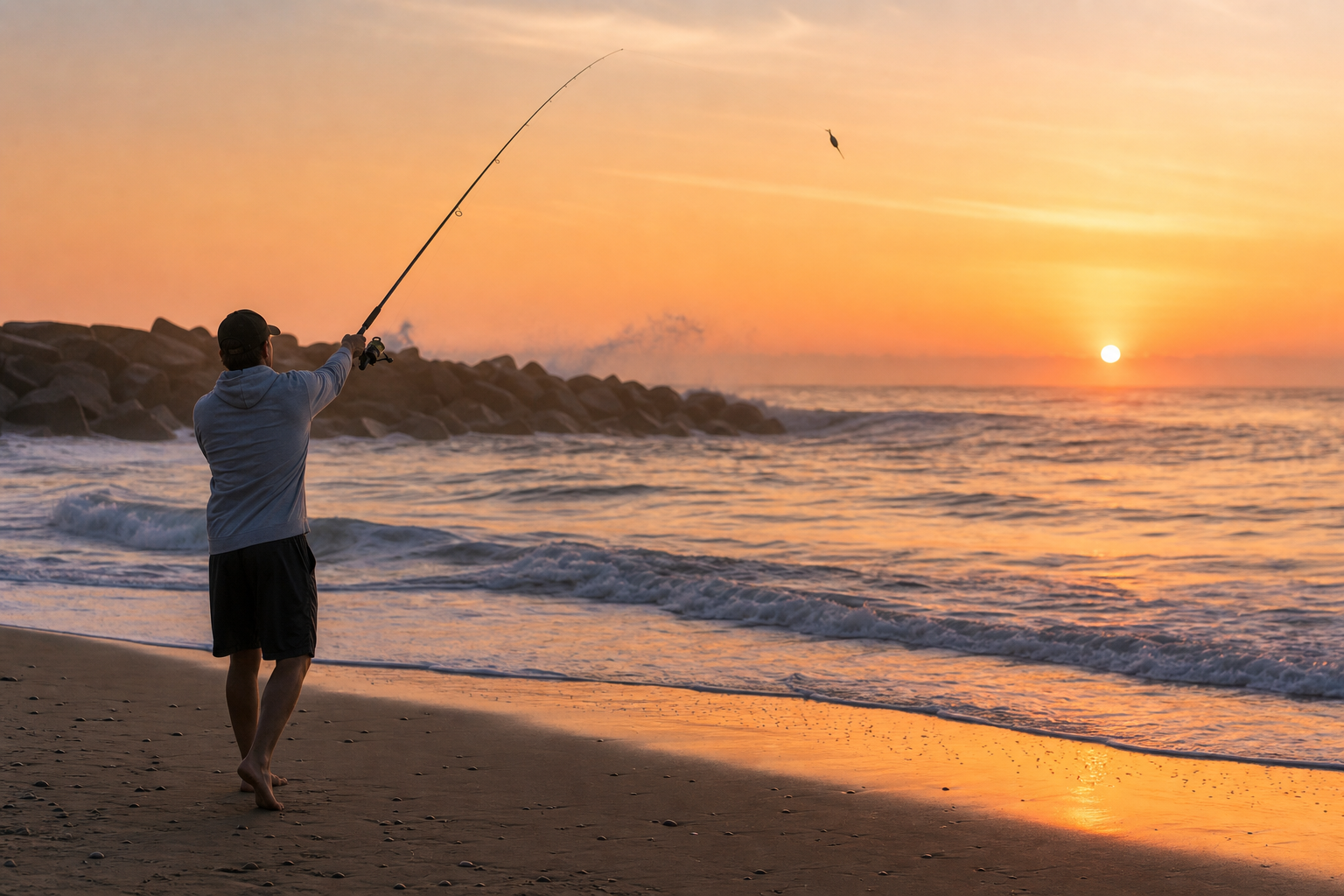
For surfcasters, that means the first and last moving-water periods matter more. Dawn, dusk, night, cloud cover, clean current, bait, and wind direction should drive the decision. A hot noon beach with bathers, glare, soft water, and limited movement is usually not the moment to force the same plug plan that worked during a cooler spring tide.
For boat anglers, the same logic applies around rips, reefs, boulder fields, bridges, inlet edges, and deeper current seams. If the best bass window is short, rig before you leave the dock. Do not burn the first half of the tide tying leaders, finding pliers, looking for the net, or deciding who is throwing what.
A smarter July striper plan
Use this sequence before driving:
- Pick one moving-water window. Do not fish the whole day just because you are free the whole day.
- Start with low-light structure. Beach troughs, inlet lips, boulder fields, bridge shadows, marsh drains, and reef edges all deserve attention when current is moving.
- Carry fewer lures. Bucktails, soft plastics, swimmers, pencils, and a metal or epoxy-style baitfish profile cover most July surf and boat decisions.
- Stop if release conditions are poor. If fish are exhausted, handling is sloppy, water is hot and still, or the bite becomes a release-mortality problem, change targets.
That last point matters. Catch-and-release is still fishing pressure. The practical handling standard is simple: minimize fight time, keep fish wet, use appropriate tackle, have tools ready, and release fish quickly.
Daytime is for structure, bottom fishing, and better decisions
The middle of a hot July day is not wasted. It just needs a different target and a different attitude.
If the bass window closes, shift to fluke, black sea bass, scup, sea robins for kids, snapper bluefish in protected water where legal and appropriate, or a scouting mission for the next tide. The best daytime plan is usually built around depth, edges, drift speed, and bottom type instead of blind casting.
For fluke and sea bass, control the drift first
A lot of summer bottom fishing gets blamed on the fish when the actual problem is the drift.
Before changing ten rigs, check these pieces:
- Speed: If the boat is racing, use a drift sock, heavier jig, different angle, or a more protected piece of water.
- Bottom contact: Fluke and sea bass trips usually fall apart when the rig is not near bottom long enough.
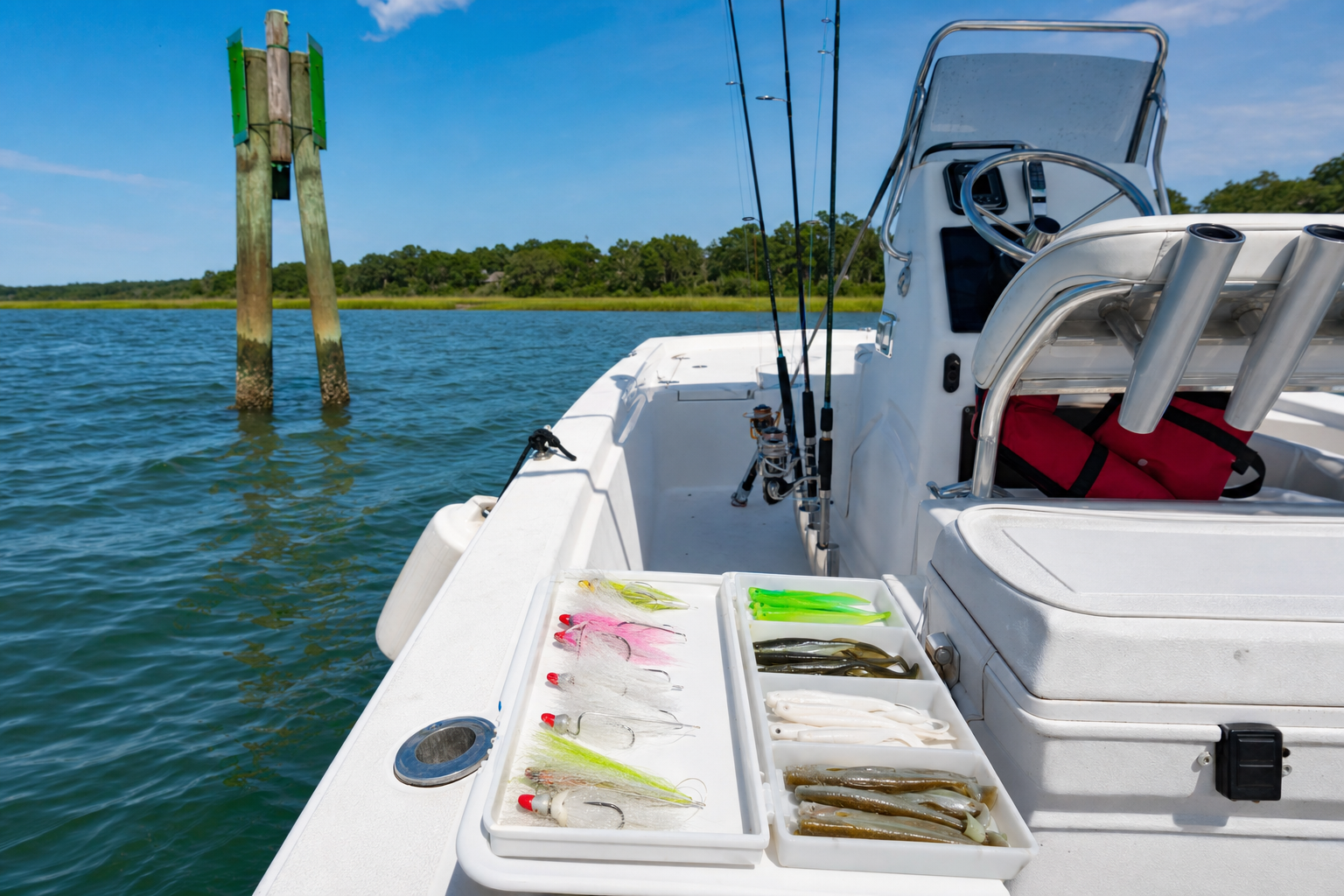
- Profile: Bucktails, teasers, squid strips, spearing, soft baits, and gulp-style scented baits all have a place, but presentation beats tackle clutter.
- Structure: Sea bass relate hard to rough bottom, reefs, wrecks, rock, mussel beds, and sticky structure. Fluke often set up on edges, channels, shoals, sand-to-rubble transitions, and bait lanes.
- Rules: Minimum sizes, seasons, and possession limits change by state and species. Check before the first keeper decision, not after the cooler has fish in it.
For shore anglers without a boat, the same midday shift can mean porgy docks where legal, back-bay fluke edges, shaded canals, piers with current, or simply scouting parking, access, bars, cuts, and bait for the evening.
Heat changes the human plan too
Northeast anglers are good at worrying about rods, reels, lures, and tide. July forces a less glamorous question: can the people safely last as long as the fishing plan says they will?
The National Weather Service heat guidance is plain about the basics: limit exposure during the hottest part of the day, take breaks, drink water, and wear light, appropriate clothing. On the water, that translates into earlier starts, real shade, more water than you think you need, a plan for kids and older anglers, and a willingness to quit before the ride home gets ugly.
Boat anglers should add the National Weather Service boating safety checklist to the morning routine: check the marine forecast, know the hazards, and make sure required safety gear and communications are ready before leaving the ramp.
Pack for heat before you pack more tackle
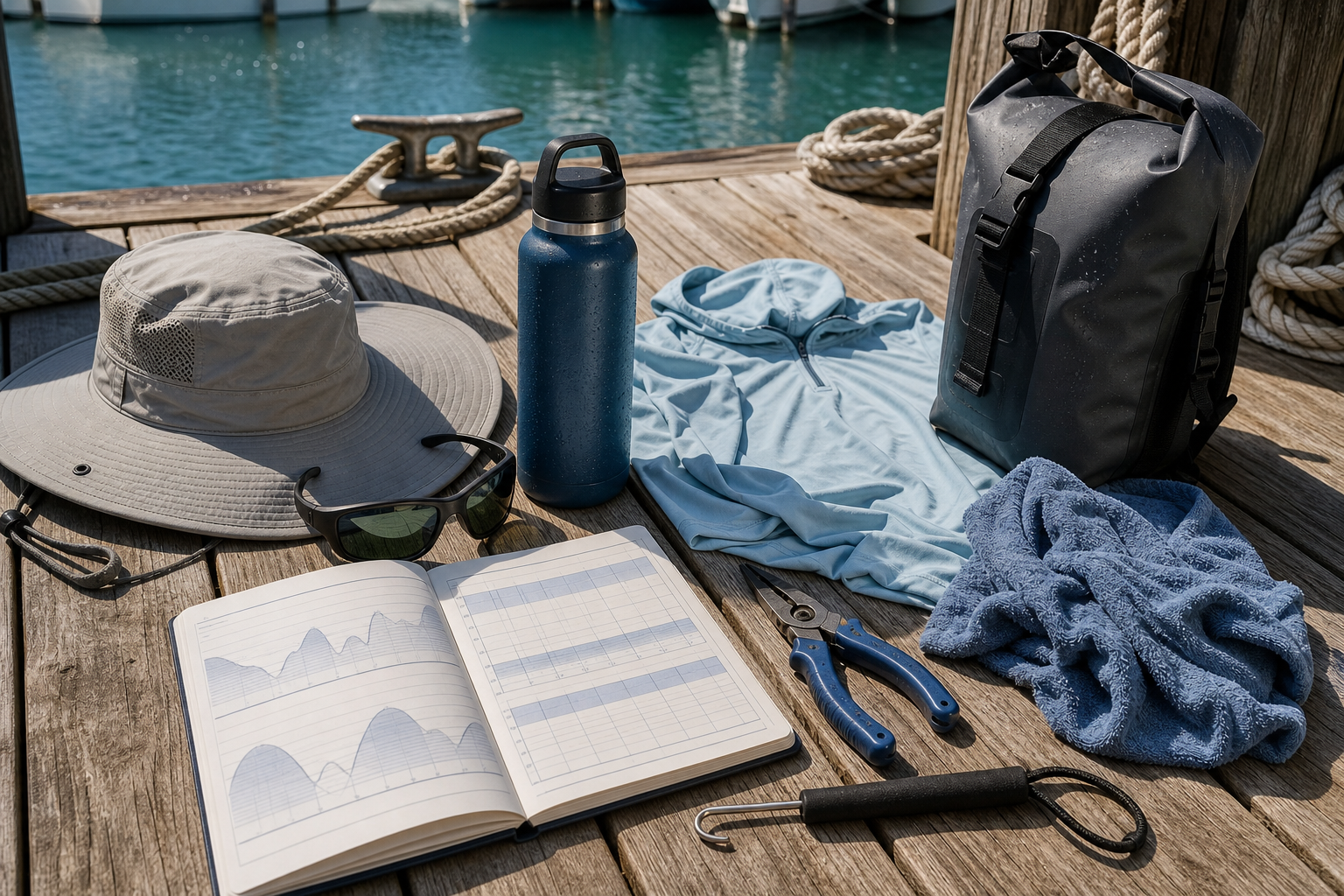
For a hot July surf, pier, kayak, or boat day, build the kit in this order:
- Water and electrolytes if you use them
- Sun hoodie or light long-sleeve shirt
- Hat with real coverage
- Polarized sunglasses
- Sunscreen and lip protection
- Wet towel or fish-friendly handling towel
- Pliers, dehooker, and leader cutter
- Tape measure or ruler
- Phone in dry storage
- First-aid basics
- Rain shell if storms or spray are possible
- Headlamp if dawn, dusk, or night is part of the plan
Only after that should the extra lure box get invited.
If you are building the apparel side of the kit, use the SteveFraney.com sun protection guide and fishing apparel guide before buying random warm-weather gear. If the trip includes spray, pop-up storms, or a long boat ride, add the rainwear and bibs guide to the check.
The regulation check has to happen before the cooler opens
Summer mixed-bag fishing creates an easy mistake: one boat or beach session can move through several species and more than one regulatory lane.
A Northeast angler might encounter striped bass, bluefish, summer flounder, black sea bass, scup, weakfish, tautog bycatch, sharks, or state-specific shore rules in a single week. Some rules are state rules. Some are federal or regional frameworks. Some change by vessel type, shore status, area, date, or species.
Do not rely on an old screenshot, a marina rumor, or last year’s ruler sticker.
Use official pages first:
- NOAA Fisheries for Northeast and Mid-Atlantic recreational species regulation links.
- Your state marine fisheries or environmental agency for current state rules.
- Local access pages for beach permits, ramp rules, night closures, and parking restrictions.
New York anglers should check NY DEC’s recreational saltwater regulations before keeping fish. Anglers in Massachusetts, Rhode Island, Connecticut, New Jersey, and Maine should make the same primary-source check with their own state agency.
A simple July day plan by angler type
Surfcaster
Fish one low-light tide. Start with a bucktail or soft plastic where current touches structure, then rotate to a swimmer, pencil, or metal only if the water and bait justify it. If the sun gets high and the beach fills in, stop pretending it is still the same session. Scout the next bar, refill water, or come back for the evening tide.
Small-boat angler
Launch early if the marine forecast allows it. Fish the bass rip or reef first, then shift to fluke or sea bass structure once the light and heat build. Keep the drift controlled, keep the net clear, and keep the ruler where everyone can reach it. If wind against tide makes the inlet ugly, fish protected water or quit early.
Family or casual trip
Do not build the day around hero fish. Build it around action, safety, bathrooms, shade, legal access, and a short session. Piers, docks, back bays, snappers, porgies where legal, small bluefish, sea robins, and simple bottom rigs can make a better family memory than a punishing all-day beach march.
Weekend traveler
Use fishing reports, tides and weather, and the Northeast Fishing Trip Planner before booking the day around one beach or ramp. In July, the backup plan matters: alternate access, alternate species, alternate wind direction, and a non-fishing stop if thunderstorms or heat make the original idea dumb.
The practical takeaway
July fishing in the Northeast is not bad fishing. It is less forgiving fishing.
The anglers who do best are usually not the ones carrying the most tackle. They are the ones who choose the best two hours, switch targets when the conditions say so, keep fish handling clean, check the rules before keeping fish, and take heat seriously.
That is the July plan: dawn or dusk for bass, structure for daytime, safety all day, and primary-source regulation checks before the cooler opens.
Plan the next tide
Check reports, tides, weather, gear, and rules before you drive
Use SteveFraney.com to turn a hot July fishing idea into a specific trip plan with reports, tide timing, apparel, tackle, and safety checks.
Sources and useful checks
- On The Water: Rhode Island Fishing Report, June 25, 2026
- On The Water: Connecticut Fishing Report, June 25, 2026
- On The Water: Cape Cod Fishing Report, June 25, 2026
- NOAA Fisheries: Recreational Fishing Regulations by Species
- New York DEC: Recreational Saltwater Fishing Regulations
- National Weather Service: During a Heat Wave
- National Weather Service: Be Safe! Prepare for Hazards