
Field Note
Fourth of July Northeast Fishing Playbook: Stripers, Fluke, Sea Bass and Safer Tide Windows
A practical Northeast saltwater fishing plan for the July 4 window: where to focus for striped bass, fluke, sea bass, bluefish, tides, safety, and gear.
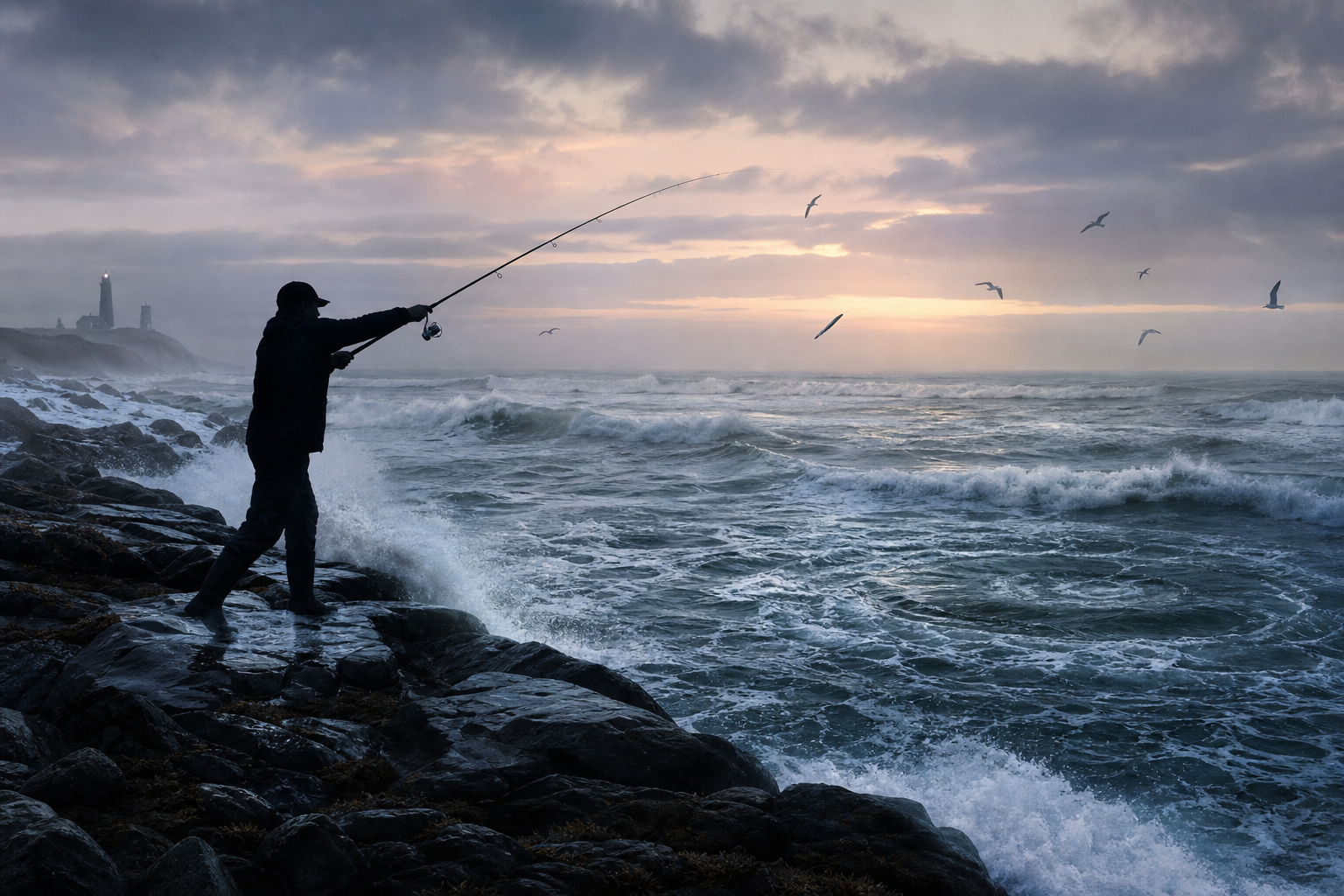
The July 4 fishing window is one of the busiest and most tempting stretches of the Northeast saltwater season. The water is warm enough to push fluke into more reliable summer patterns, sea bass are a real reef-and-wreck option, cocktail bluefish and snappers start making family trips easier, and the best striped bass fishing usually shifts toward cooler water, moving tide, night, and the East End rips.
It is also a weekend when boat traffic, beach crowds, heat, thunderstorms, and rip currents can turn a good plan into a grind.
This playbook is not a guaranteed report and it is not a spot burn. It is a practical way to turn the current late-June signal into a smarter Northeast trip plan for Long Island, New York Harbor, Connecticut, Rhode Island, Cape Cod, and nearby New England water.
The short version
If you only have one tide, pick the trip around the fish you can realistically reach:
- Surfcasters: fish low light, night, or the first clean push of water around an inlet, boulder field, point, or outer-beach sweep. Expect the most consistent bass options to favor Montauk, the eastern Sound, Cape Cod, Rhode Island breachways, and other cooler or higher-current edges.
- Boat anglers: build a two-part plan: fluke on channel edges, bay mouths, or Sound drops early, then sea bass on legal reef/wreck pieces if conditions allow.
- Family trips: do not ignore porgies, snapper blues, small bluefish, docks, bulkheads, and short fluke action. A steady bend in the rod beats chasing one headline fish with kids in July heat.
- Everyone: check current state regulations before keeping fish, watch the marine forecast, and treat rip-current risk as part of the fishing plan, not an afterthought.
Why this holiday window has search-and-share potential
Late June reports are pointing toward a classic early-summer split: very good bass opportunities where bait, current, and cooler water line up, while the everyday local surf bite becomes less automatic. On The Water’s June 25 Long Island and NYC report described strong East End striped bass action, bass feeding around squid and other bait, fluke fishing improving in parts of Long Island Sound, sea bass activity on South Shore structure, and more summer bottom-fishing variety showing up.
That matters because the July 4 angler is usually asking one practical question: where do I spend my limited tide window without wasting the whole day?
The answer is less about chasing a viral photo and more about choosing the right game:
- If you want a big striped bass, prioritize current, bait, cooler water, and darkness.
- If you want dinner possibilities, build around legal fluke and sea bass options and verify the state rules where you launch.
- If you want kids or casual anglers to stay engaged, target action first and size second.
- If the forecast turns rough, shift from heroic surf plans to protected water, piers, docks, or a scouting trip.
Striped bass: think current, cooler water, and release quality
By the holiday week, many Northeast striped bass have already pushed away from easy daytime shoreline patterns. There can still be excellent fishing, but the better plays usually involve one of four things: cooler ocean water, deeper structure, strong current, or night.
Best striper plays for the July 4 stretch
1. East End and point-water structure Montauk-style rips, rocky points, and outer-beach edges can hold better bass when bait is pinned in current. If fish are on squid, sand eels, butterfish, bunker, or mackerel, match profile before color. A white soft plastic, bucktail, pencil, darter, metal lip, or large spook can all have a place, but presentation matters more than owning a magic plug.
2. Inlets and breachways The best inlet tide is not always the most comfortable one. Look for clean water pushing bait, a defined seam, and a safe place to stand. Do not wade deeper just because the fish are farther out; July surf can hide sweep, holes, and rip-current lanes.
3. Urban current and harbor structure New York Harbor, the East River, and similar urban systems can still produce, but they reward precision. Strong tide, sticky bottom, boat traffic, and narrow feeding windows mean you need heavier jigs, controlled drifts, and an exit plan.
4. Night surf If beach traffic is high and the sun is baking the shallows, nighttime is often the cleanest surfcasting answer. Bring a headlamp with a red mode, a backup light, pliers, a plug bag that you can work by feel, and a plan for landing and releasing fish quickly.
Release handling matters more in summer
ASMFC lists Atlantic striped bass as overfished based on its 2024 assessment update, even while overfishing was not occurring in that update. That is the reason slot limits and conservative handling still matter. In warm water, a long photo session, dry sand, or exhausted fight can turn a released fish into a dead fish.
For summer bass:
- Crush barbs or use inline singles where practical.
- Keep fish in the wash or boat-side until you are ready.
- Measure fast and photograph faster.
- Avoid dragging fish onto hot dry sand.
- If you are catching overslot fish repeatedly, consider leaving them biting instead of turning a conservation win into release-mortality pressure.
Fluke: stop drifting dead water
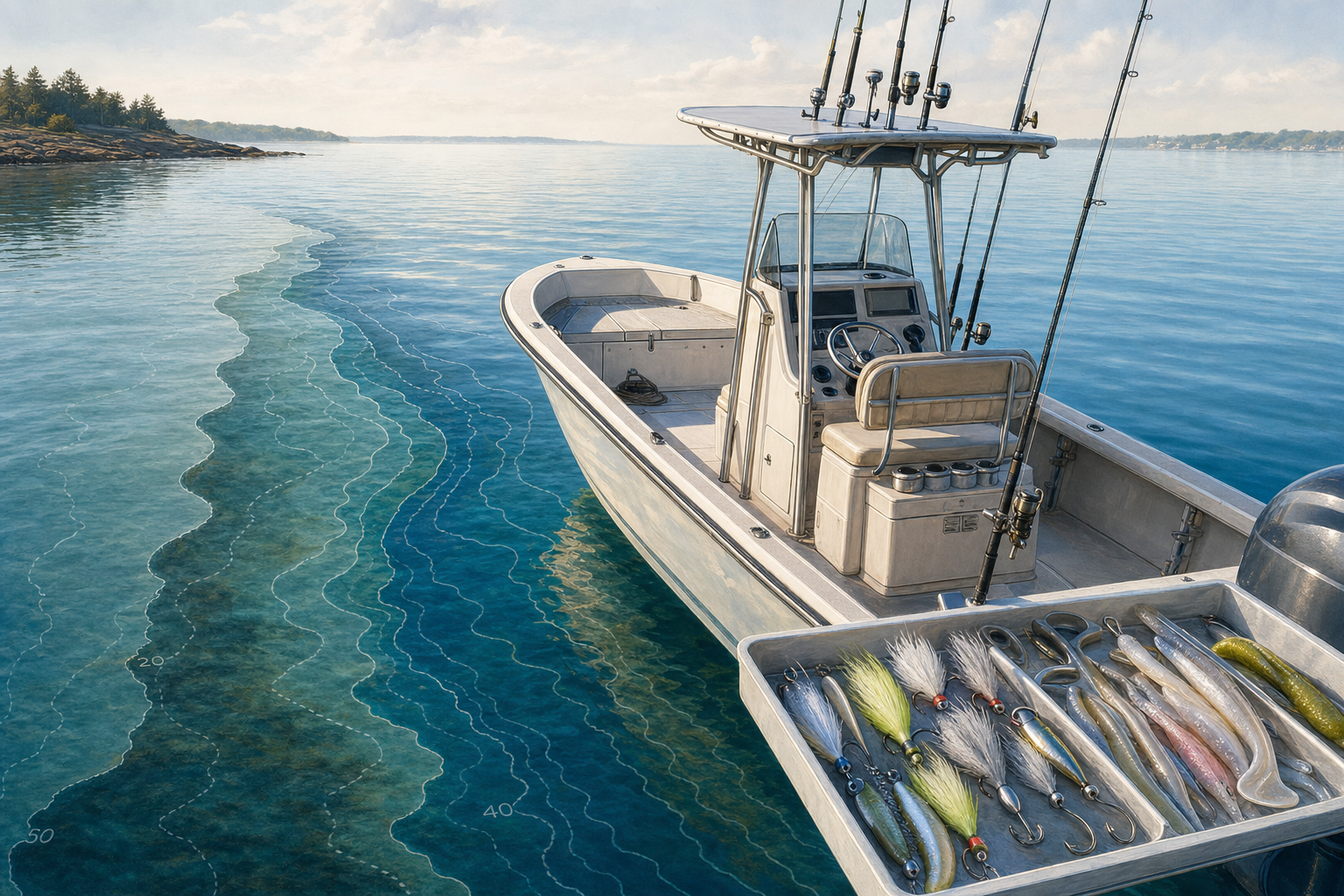
Fluke fishing often frustrates anglers because they fish a pretty drift instead of a productive one. The holiday window should be about edges: channels, bay-mouth slopes, Sound drops, creek mouths, and places where bait has to cross a bottom change.
Late-June reports around Long Island have pointed to improving fluke action, especially as fish slide from skinny early-season water toward 10- to 20-foot pieces and deeper edges. That does not mean every drift is loaded with keepers. It means the summer pattern is becoming more logical.
A simple fluke decision tree
If the drift is under 0.5 knots: lighten up, cast away from the boat, or move to more current. If the drift is over 1.5 knots: increase weight, fish a tighter line, or look for a lee edge. If you only catch shorts: change depth, change bait size, or move off the obvious fleet drift. If there is no bait: do not wait an hour for the bottom to become alive. Move.
Productive fluke setups
- Bucktail plus teaser for anglers who can maintain bottom contact.
- Hi-lo rig tipped with spearing, strip bait, or scented soft bait for mixed-experience crews.
- Larger 5- to 6-inch soft baits when you are trying to separate better fish from shorts.
- A landing net ready before the first keeper comes boatside.
The key is not simply using heavier tackle. It is staying vertical enough to feel bottom while still giving the bait life.
Sea bass, porgies, bluefish, and family-trip fish
A holiday article should not pretend every reader is chasing a 40-pound bass. Many Northeast anglers need a plan that works with family, guests, or a short weather window.
Sea bass can be the practical boat option when legal seasons and local rules allow. Reefs, wrecks, rubble, and harder bottom are the pattern. Jigs can be excellent when the drift is manageable; bait rigs still shine when the crew needs simplicity.
Porgies are a strong action choice around rock piles, jetties, boulder fields, and pieces with current. Small hooks, clam, squid strips, and a simple hi-lo rig can save a slow day.
Cocktail bluefish and snappers around docks, creeks, and harbor edges are not trophy fishing, but they are perfect for kids. Use single hooks when possible, bring long-nose pliers, and do not let small bluefish turn into a treble-hook circus.
The safety plan: crowds, heat, rips, and afternoon weather
The National Weather Service warns that rip currents are dangerous channels of water moving away from shore, and its safety guidance is simple: avoid swimming or wading in risky surf, check local beach forecasts, and if caught in a rip, do not fight it straight back to shore.
For anglers, that translates into a few practical rules:
- Do not fish an inlet bar or outer sandbar alone at night.
- Wear a belt with waders, and consider a surf top or PFD in rough water.
- Keep one dry route back to the truck as the tide fills in.
- Check radar before committing to a long jetty walk or offshore run.
- Assume boat traffic will be worse than normal around ramps, channels, marinas, fireworks nights, and mid-day sandbar crowds.
July fishing is supposed to be fun. There is no fish worth getting trapped by tide, lightning, fog, or traffic you could have planned around.
What to pack for a Northeast July 4 fishing day
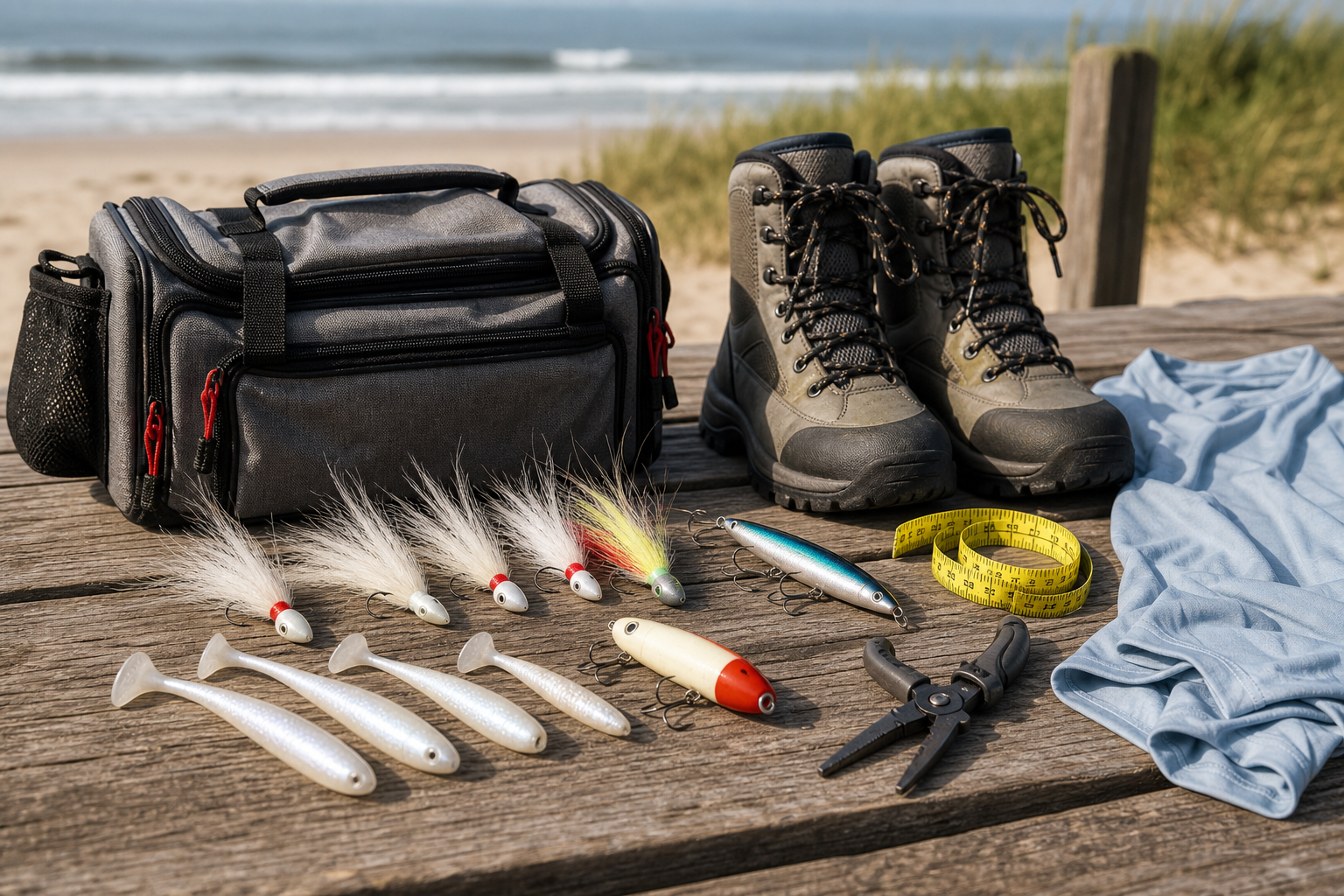
Surf bag
- Bucktails from 3/4 to 2 ounces.
- White and natural soft plastics.
- A darter, needlefish, pencil popper, and metal lip for night/current work.
- A small plug or epoxy jig for cocktail blues and schoolies.
- 30- to 50-pound leader, clips, pliers, tape, and a headlamp.
- Sun shirt, hat, water, and a lightweight rain shell.
Boat bag
- Fluke bucktails, teasers, hi-lo rigs, and enough sinkers to handle wind-against-tide.
- Sea bass jigs and bait rigs.
- A legal measuring device for every target species.
- Dehooker or pliers, net, spare leader, and a fish-friendly release routine.
- Marine forecast, float plan, and fuel margin for holiday ramp delays.
Internal links for planning your next move
Use these SteveFraney.com guides to turn the playbook into a real trip plan:
- Start with the Northeast Fishing Trip Planner if you are choosing between regions, tides, and weather windows.
- Use the Long Island Fishing Guide for Long Island-specific surf, shore, and boat context.
- Review the Long Island Surf Bag Checklist before a night or inlet session.
- Compare practical setups in Surf Fishing Gear, Surf and Saltwater Tackle, and Fishing Apparel before you buy more than you need.
Bottom line
The best July 4 Northeast fishing plan is not the one with the most spots. It is the one with the clearest decision.
If the water is cool, bait is present, and the tide is moving, chase bass at low light. If the sun is high and the boat traffic is building, move to fluke edges or legal sea bass structure. If kids are coming, pick action over ego. If the beach forecast looks unsafe, change the plan before you are standing in the wash wishing you had.
Fish the window, respect the rules, release summer bass cleanly, and make the trip easy enough that everyone wants to go again.
Sources consulted
- On The Water: Long Island and NYC Fishing Report, June 25, 2026
- On The Water fishing reports archive, June 25, 2026 regional reports
- NOAA Fisheries: Recreational Fishing Regulations by Species
- ASMFC: Atlantic Striped Bass species page and current stock status
- National Weather Service: Rip Current Safety
CTA
Planning a Northeast beach, inlet, or boat day this week? Bookmark SteveFraney.com, check the trip planner before you leave, and build the day around the safest tide window instead of the loudest dock rumor.