Field Note
Why Patagonia Is a Great Company for Anglers
Research-backed look at Patagonia's reputation and the gear lanes that fit Northeast anglers: rain shells, sun layers, wading boots, fishing bags, packs, and waders.
Updated June 12, 2026
The short version
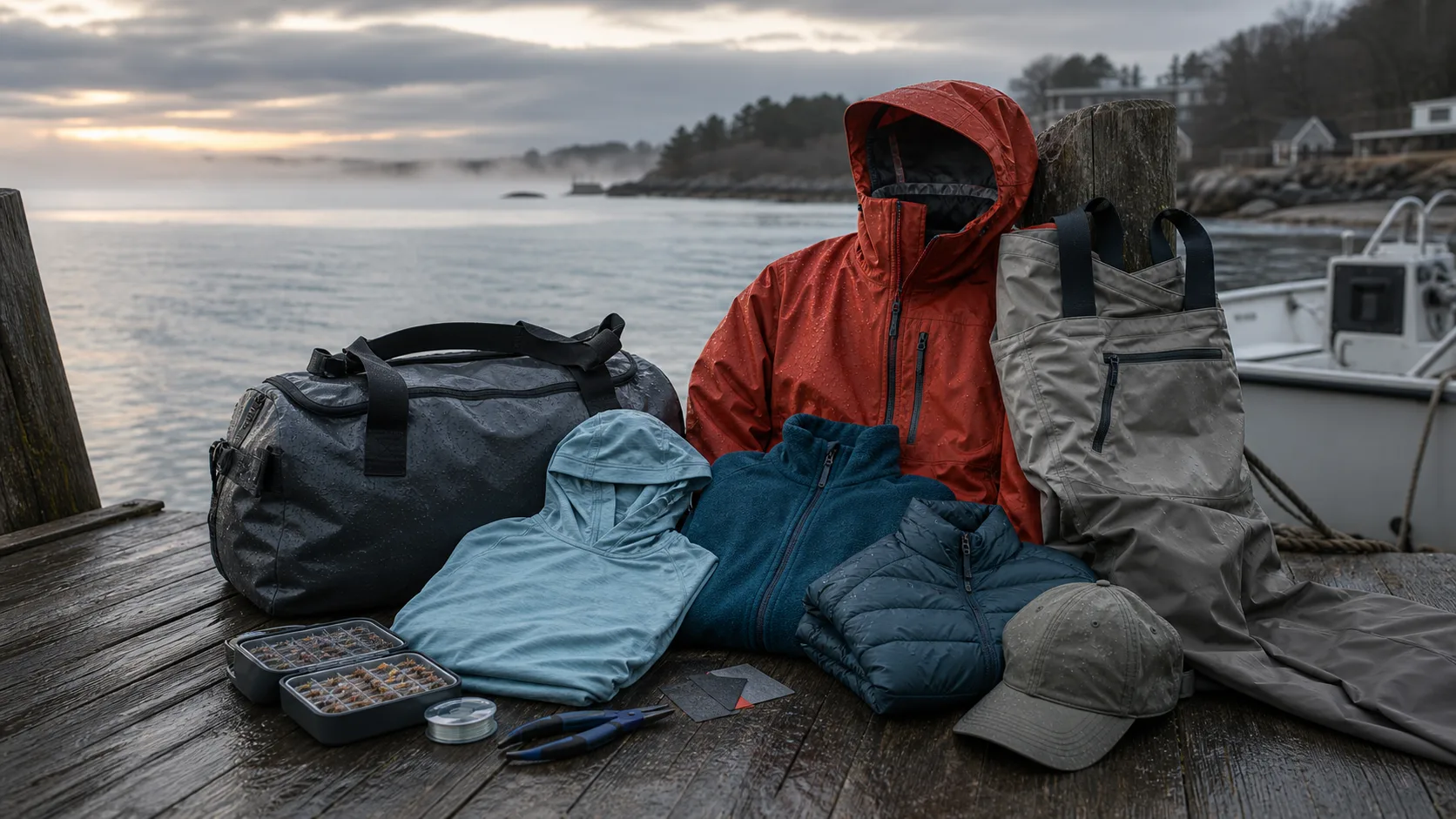
Patagonia is great because the company has spent decades making a hard promise look simple: build useful outdoor gear, keep it working as long as possible, measure the harm that still exists, and use the business to protect the places where that gear gets used.
For Northeast anglers, that matters. We do not need fragile fashion disguised as fishing gear. We need sun layers that survive salt, rain shells that can live in a boat bag, fleece that works under a shell, waders that can be repaired, and travel bags that do not quit after a few long weekends. Patagonia’s best product lines make sense because they are built around systems: base layer, sun layer, insulation, shell, wader, pack, repair.
Patagonia is at its best when an angler buys fewer things, buys the right thing, and then keeps using it.
Brand fit
Patagonia belongs in a Northeast angler's apparel and gear system
Start with weather, water, and trip length. Patagonia's strongest fishing lanes are rain shells, sun protection, breathable fleece, packable insulation, fly-fishing waders, boots, packs, vests, and travel-ready bags.
Why Patagonia’s reputation is different
Plenty of outdoor brands make good gear. Patagonia’s reputation is different because the product story, company structure, repair program, and environmental work all point in the same direction.
In 2022, founder Yvon Chouinard announced a new ownership structure built to protect the company’s purpose. Patagonia says 100% of the voting stock moved to the Patagonia Purpose Trust, while the Holdfast Collective owns the nonvoting stock and receives excess profits after business reinvestment. Patagonia remains a for-profit company, a certified B Corp, and a California benefit corporation, but the ownership model is designed to keep the mission from being sold off or softened later.
That is unusually relevant for gear buyers. A rain shell is not just a fabric choice. It is a trust choice. If a company says durability, repairability, and lower-impact materials matter, the rest of the business has to back that up.
Patagonia has also pledged 1% of sales to environmental preservation and restoration since 1985, with more than $140 million in cash and in-kind donations awarded to grassroots environmental groups. Patagonia Action Works extends that posture by connecting people to environmental organizations focused on land, water, climate, communities, and biodiversity.
The result is not perfection. Patagonia itself says every product it makes has an impact. That honesty is part of the appeal. The company is not pretending a jacket saves the planet. It is arguing for better product design, better supply chains, fewer throwaway purchases, more repair, and a business model that accepts responsibility beyond the checkout cart.
A proof table worth paying attention to
| Patagonia signal | What the research shows | Why it matters for anglers |
|---|---|---|
| Ownership | The Patagonia Purpose Trust holds voting control, while the Holdfast Collective owns the nonvoting stock and receives excess profits for environmental work. | The mission is structurally protected, not just printed on a hangtag. |
| 1% for the Planet | Patagonia says it has pledged 1% of sales since 1985 and awarded more than $140 million to grassroots environmental groups. | Anglers depend on clean water, healthy coastlines, public access, and functioning ecosystems. |
| B Corp performance | B Lab lists Patagonia with a 166.0 overall B Impact Score, far above the 80-point certification threshold. | Third-party accountability helps separate real commitment from vague sustainability claims. |
| Materials progress | Patagonia reports 86% preferred materials by weight in the Fall 2025 line and use across 99% of products. | Better materials do not erase impact, but they make high-use gear easier to recommend. |
| Worker support | Patagonia reports that more than 90% of products are made in a Fair Trade Certified factory and 85,000+ workers benefit from its Fair Trade participation. | Premium product stories should include the people making the gear. |
| Repair | Patagonia reports more than 40,000 garments repaired through its Reno repair center in 2024. | Salt, hooks, surf rocks, truck beds, and boat hardware are hard on clothing. Repair keeps good gear fishing longer. |
| PFAS progress | Patagonia says all new styles from Spring 2025 onward are made without intentionally added PFAS. | Rain and water-repellent gear is central to fishing apparel, so cleaner chemistry matters. |
| Ocean-plastic reuse | Patagonia reports keeping more than 2,000 tons of plastic waste out of the ocean since 2020 by turning discarded fishing nets into gear. | That is a direct connection between marine waste and better apparel materials. |
The product lines are the argument
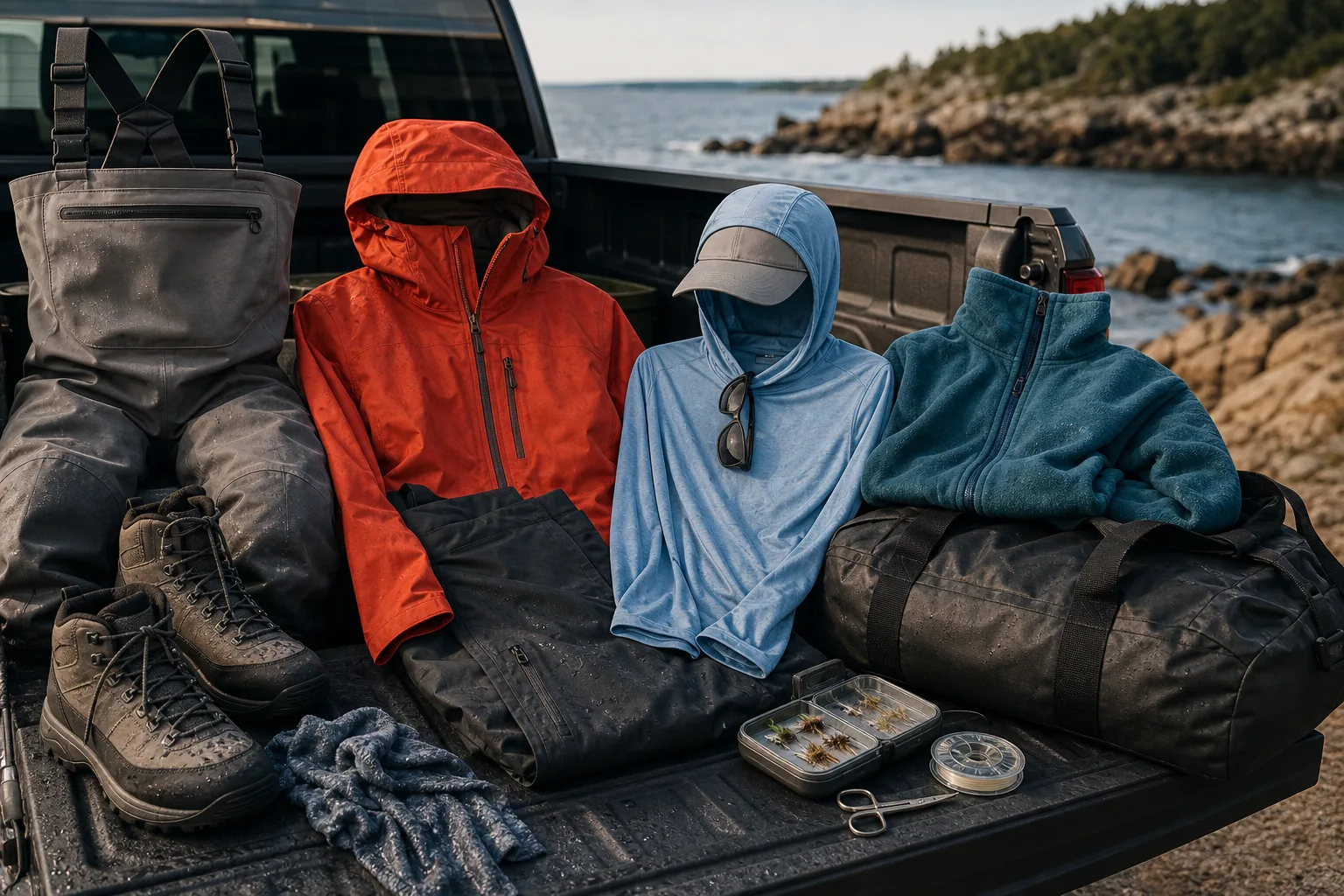
The most impressive thing about Patagonia’s product line is not that it has a famous fleece or a popular puffer. It is that the core categories work together.
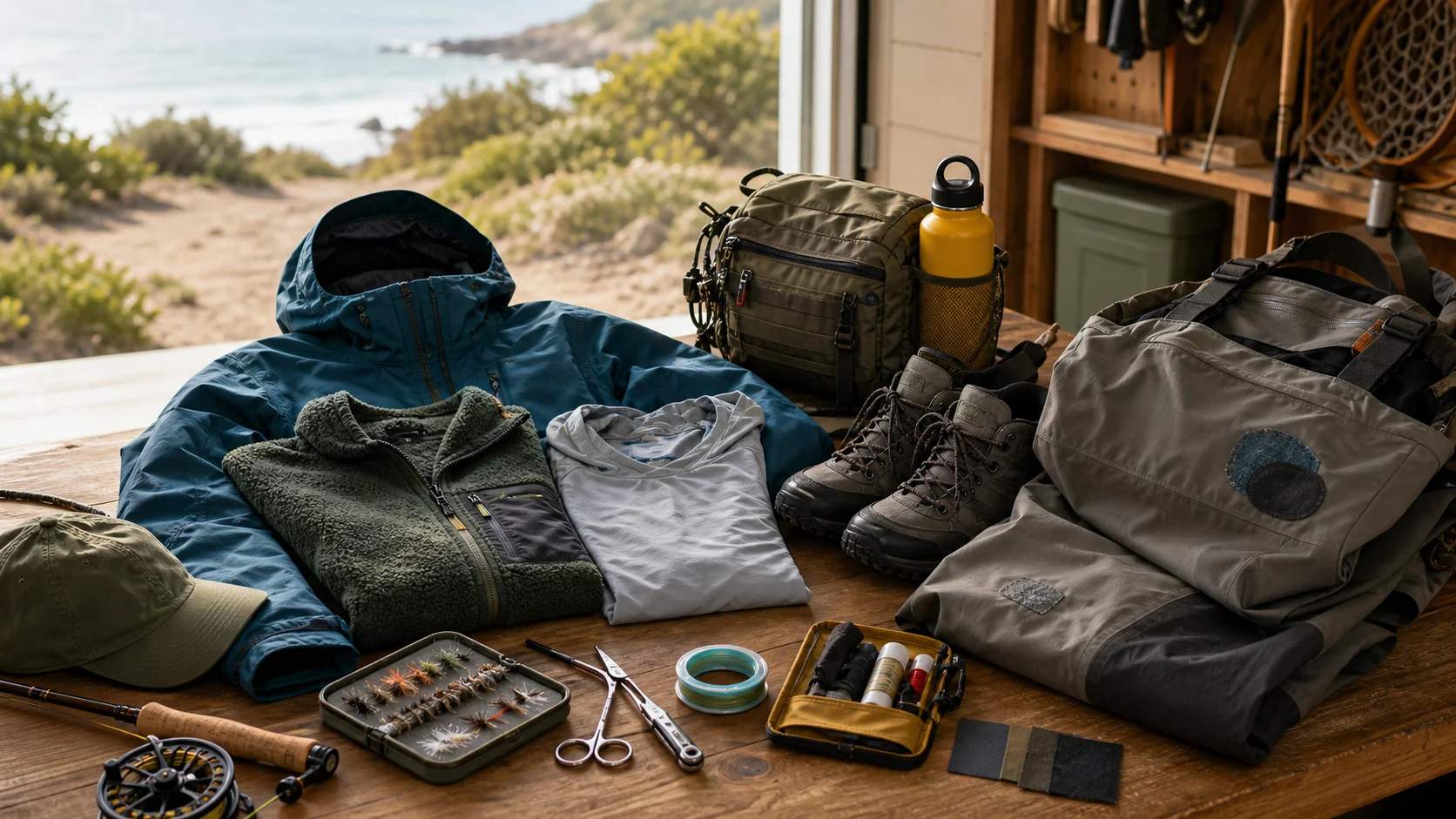
For a Northeast angler, that matters more than brand heat. The same person might fish a sunny beach in August, a rainy inshore drift in May, a cold dawn tide in October, and a travel day with a duffel full of wet gear. Patagonia’s line makes it possible to build a system instead of buying random pieces.
Start with the use case
If this article has you leaning Patagonia, use the focused buyer comparison that matches the trip: rain jackets for shell and spray problems, sun hoodies for bright water, waders and boots for wet access, packs and waterproof bags for carry, and cold-weather layers for shoulder-season warmth.
Rain shells: Torrentshell and the weather problem
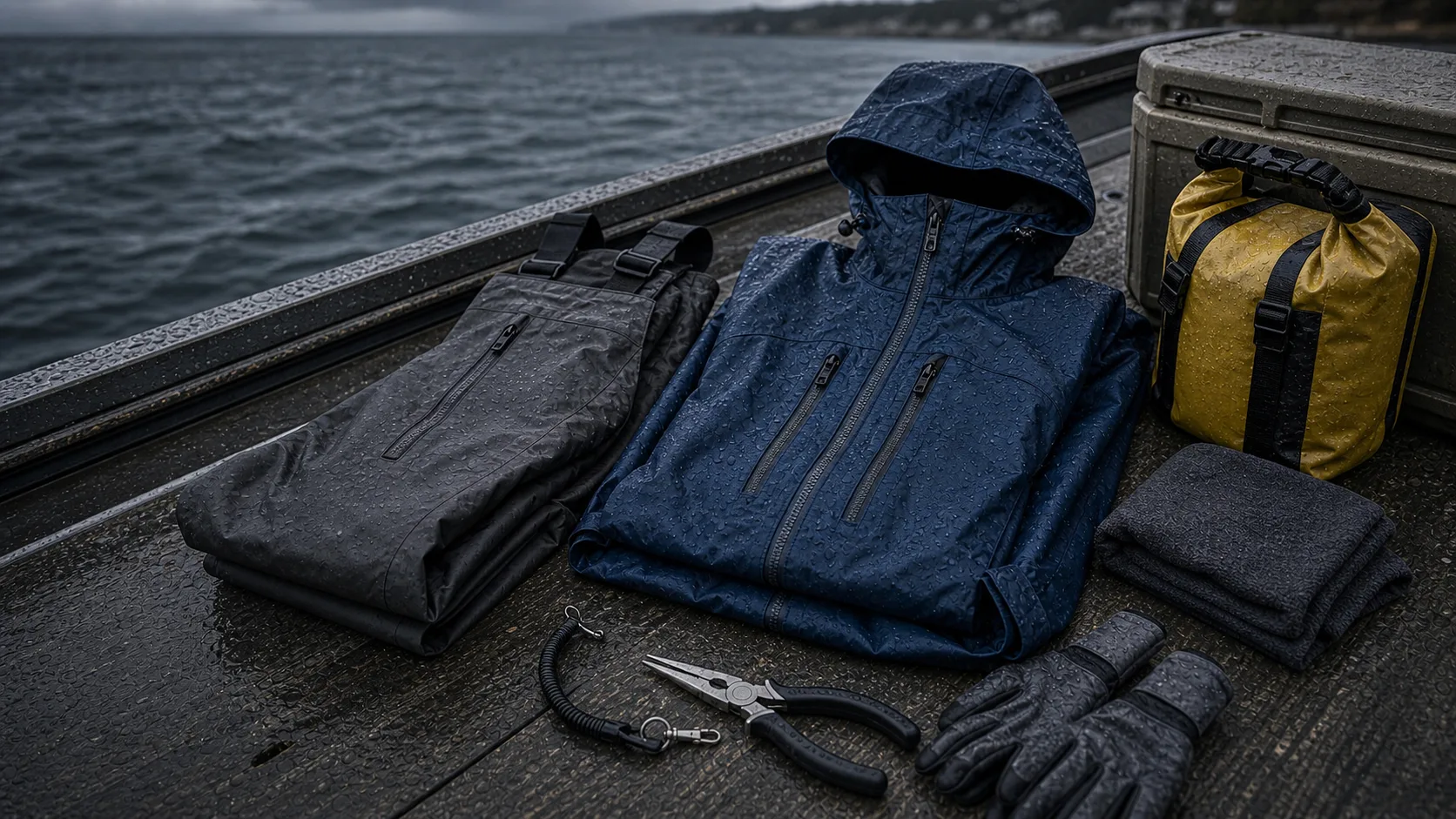
The Torrentshell 3L Rain Jacket is one of the clearest examples of Patagonia’s mainstream product discipline. It is not marketed as a specialist fishing shell, but the formula makes sense for anglers who need a dependable outer layer: 3-layer H2No waterproof/breathable construction, 100% recycled nylon face fabric, packability, pit zips, a hood with a visor, and a DWR finish made without intentionally added PFAS.
For Northeast use, the attraction is simple. A shell like this can live in a truck, boat bag, or travel duffel, then come out when wind-driven rain or boat spray turns a nice day sideways. It is not the only shell Patagonia makes, and it is not a replacement for dedicated foul-weather bibs in rough offshore conditions. But for shore, travel, and general wet-weather coverage, it is the kind of durable utility piece that earns space.
Sun layers: Capilene Cool and long daylight
Summer fishing punishes bad shirts. A useful sun layer needs to dry fast, move well, resist stink, and stay comfortable when humidity and glare pile up. Patagonia describes the Capilene Cool Daily Hoody as a technical top built for trail or water, with quick-drying stretch fabric, HeiQ Mint odor control, 50-100% recycled polyester, and a deep hood for additional sun coverage.
That fits the practical apparel philosophy exactly: cover the angler before solving the tackle box. A sun hoody is not glamorous, but it can determine how long a person fishes, how often they need sunscreen, and whether the drive home feels like relief or regret.
Midlayers: R1 Air, Nano Puff, and the temperature swing
The R1 Air Fleece Full-Zip Hoody is a good example of Patagonia’s technical restraint. It is lightweight, highly breathable, quick drying, and built from 100% recycled polyester. That makes it a natural shoulder-season layer under a shell or over a base layer when wind and damp air are part of the trip.
Nano Puff covers a different role: lightweight synthetic insulation that packs down and still makes sense around damp conditions. Patagonia’s current Nano Puff line uses PrimaLoft Gold Insulation Eco made with 100% postconsumer recycled polyester and P.U.R.E. technology, wrapped in recycled shell and lining fabrics.
Then there is the Down Sweater line, which carries a specific fishing-world connection: Patagonia uses NetPlus 100% postconsumer recycled nylon ripstop made from recycled fishing nets for the shell fabric, plus 800-fill-power Responsible Down Standard down. For cold, dry starts and travel warmth, that story is hard to ignore.
Fly-fishing gear: Swiftcurrent waders and purpose-built design
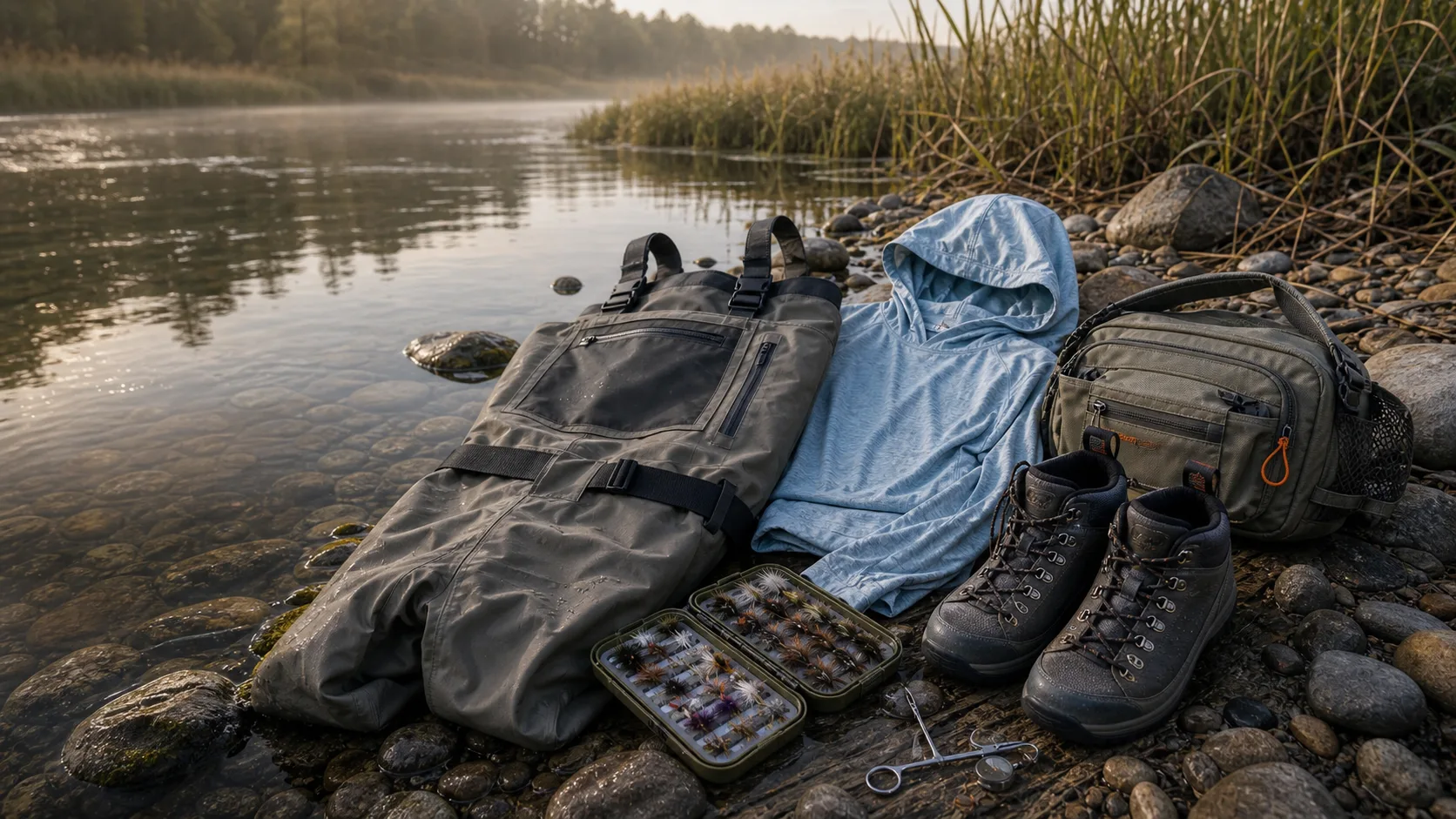
Patagonia’s fly-fishing line is where the brand moves from general outdoor utility to fishing-specific design. The Swiftcurrent wader family includes Expedition, Traverse, and Ultralight paths, each with a different balance of durability, mobility, storage, and travel weight.
The current Swiftcurrent wader story is also a good case study in honest product comparison. Patagonia says the newer Expedition waders were built with recycled polyester upper and lower materials, durability-focused pattern updates, reduced seam stress, repairability, storage, and DWR finishes made without intentionally added PFAS. At the same time, public reviews show fit feedback can be specific, especially around booties and sizing. Praise the design where it earns it, then fit waders carefully before committing.
Bags and travel: Black Hole as the gear-hauling standard
Black Hole bags are useful because fishing trips are rarely clean. Waders, shells, wet towels, spare layers, and tools all need somewhere to go. Patagonia’s Black Hole Duffel 55L is described as a weather-resistant gear hauler with 100% recycled body fabric, lining, and webbing, plus a recycled TPU-film laminate.
For anglers, the point is not luggage fashion. It is wet-gear containment, truck organization, travel durability, and fewer blown zippers during a weekend that already has enough moving parts.
The repair culture is the multiplier
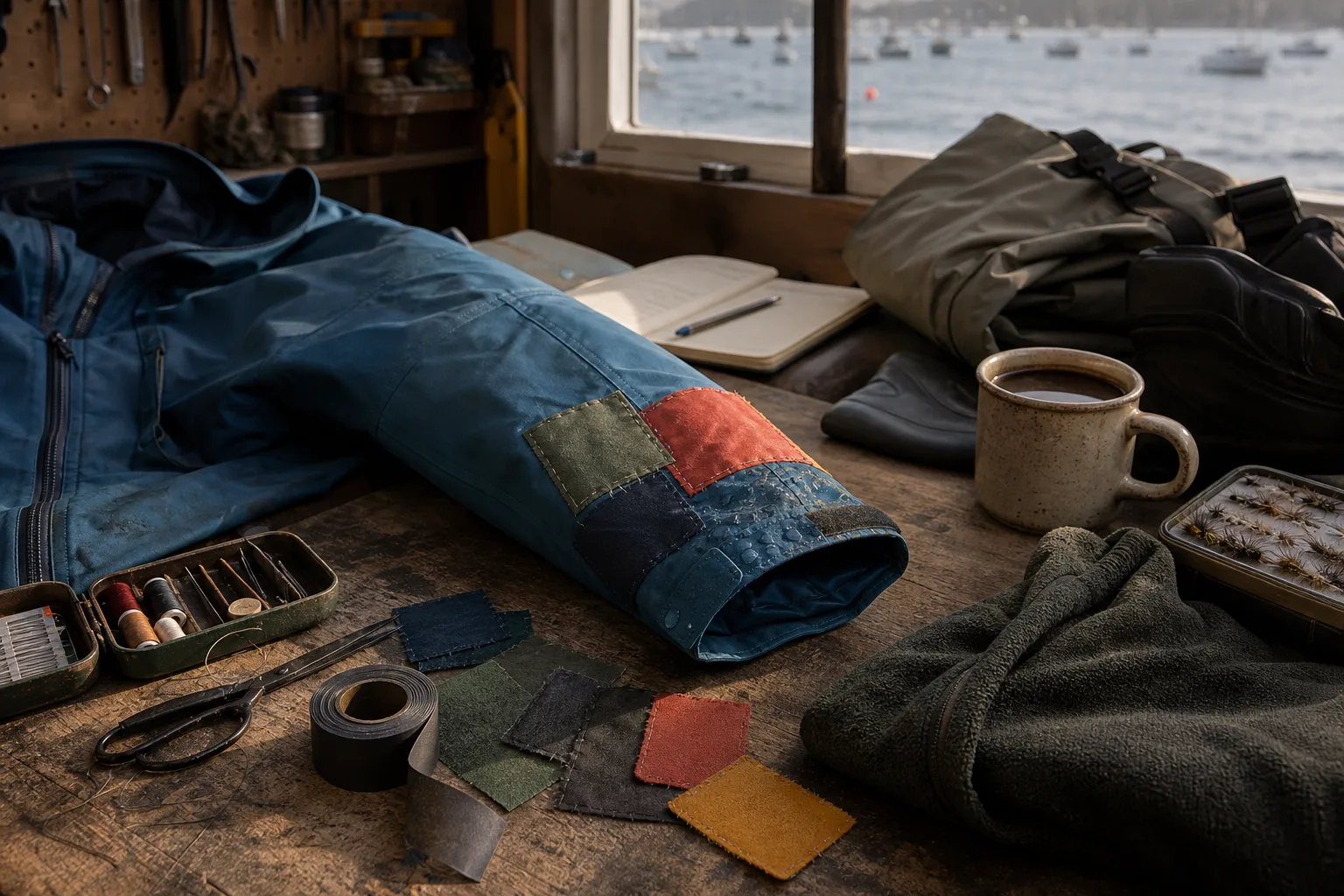
Worn Wear is one of Patagonia’s smartest ideas because it changes what a product means after the first purchase. Instead of pretending gear stays new, Patagonia builds a second life into the brand: used gear, trade-in, repair videos, repair guides, product care, and a visible culture of keeping things working.
That repair culture is reinforced by Patagonia’s Ironclad Guarantee. Patagonia’s public returns and repairs language points customers toward repair, replacement, or refund when a product is not performing as expected, which gives premium gear a different kind of buyer confidence. The best version of that promise is not casual return abuse. It is trust that the company wants useful gear to stay useful.
That is exactly how anglers think when gear becomes trusted. A shell with a patched sleeve, a fleece with years on it, or a duffel that has lived through a dozen wet weekends often has more value than a new item that has not been tested yet.
The practical benefit is bigger than sentiment. Fishing apparel takes abuse from salt, sand, hooks, pliers, barnacles, wet truck beds, sunblock, fish slime, and careless storage. The more a brand supports care and repair, the less risky it feels to recommend premium gear to readers who will actually use it.
Where Patagonia makes sense for Northeast anglers
Northeast coastal fishing from Chincoteague, Virginia, to Camden, Maine, asks a lot from clothing and carry gear: surf, shore access, boat days, rain, wind, summer sun, shoulder-season cold, tackle choices, and practical apparel. Patagonia helps answer the questions anglers already have:
- What should I wear when the forecast is not honest?
- What layer should stay in the truck or boat bag all season?
- What sun shirt works beyond one hot-weather use case?
- What midlayer belongs under a shell in spring and fall?
- What bag can take wet gear without turning the back seat into a mess?
- What premium purchases are easier to justify because they can be repaired and kept longer?
We do not need to pretend every Patagonia product is perfect for every angler. The better promise is more useful: place the right Patagonia product line in the right fishing scenario, explain who it fits, and name where fit or price should be considered.
For Patagonia, that means brand-safe editorial context. For readers, it means recommendations that respect both the water and the wallet.
A practical Patagonia map for Northeast anglers
| Use case | Patagonia product line to start with | Why it fits |
|---|---|---|
| Summer surf, shore walks, boat glare | Capilene Cool Daily Hoody and sun shirts | Fast drying, comfortable coverage, trail-to-water versatility. |
| Rainy inshore days and travel shells | Torrentshell 3L or other H2No shells | Packable waterproof/breathable protection for changing weather. |
| Cold dawn, fall wind, shell layering | R1 Air fleece | Breathable warmth that can sit under rain gear without feeling bulky. |
| Damp shoulder-season insulation | Nano Puff | Packable synthetic warmth with recycled insulation for variable weather. |
| Cold dry starts and travel warmth | Down Sweater | Lightweight warmth with NetPlus recycled fishing-net shell fabric. |
| Wading and fly fishing | Swiftcurrent waders | Fishing-specific materials, pockets, patterning, repairability, and fit options. |
| Wet gear, road trips, boat bags | Black Hole bags | Durable, weather-resistant organization with recycled body fabric, lining, and webbing. |
| Longer product life | Worn Wear and repairs | Used gear, trade-in, care, and repair support help keep useful gear in service. |
The honest buying advice
Patagonia is premium gear. That means the right answer is not “buy everything.” The right answer is to choose the pieces that solve repeated problems.
If you fish in the Northeast, the first Patagonia piece to consider is usually a weather layer, sun layer, or fleece. Those are high-frequency categories. A rain shell can save a trip. A sun hoody can make August bearable. A breathable fleece can turn a cold ride home from miserable to normal.
Waders are more personal. Fit, bootie shape, water temperature, walking distance, and fishing style matter too much for a casual recommendation. Patagonia deserves serious consideration there, especially because of repairability and fishing-specific design, but the fit check is non-negotiable.
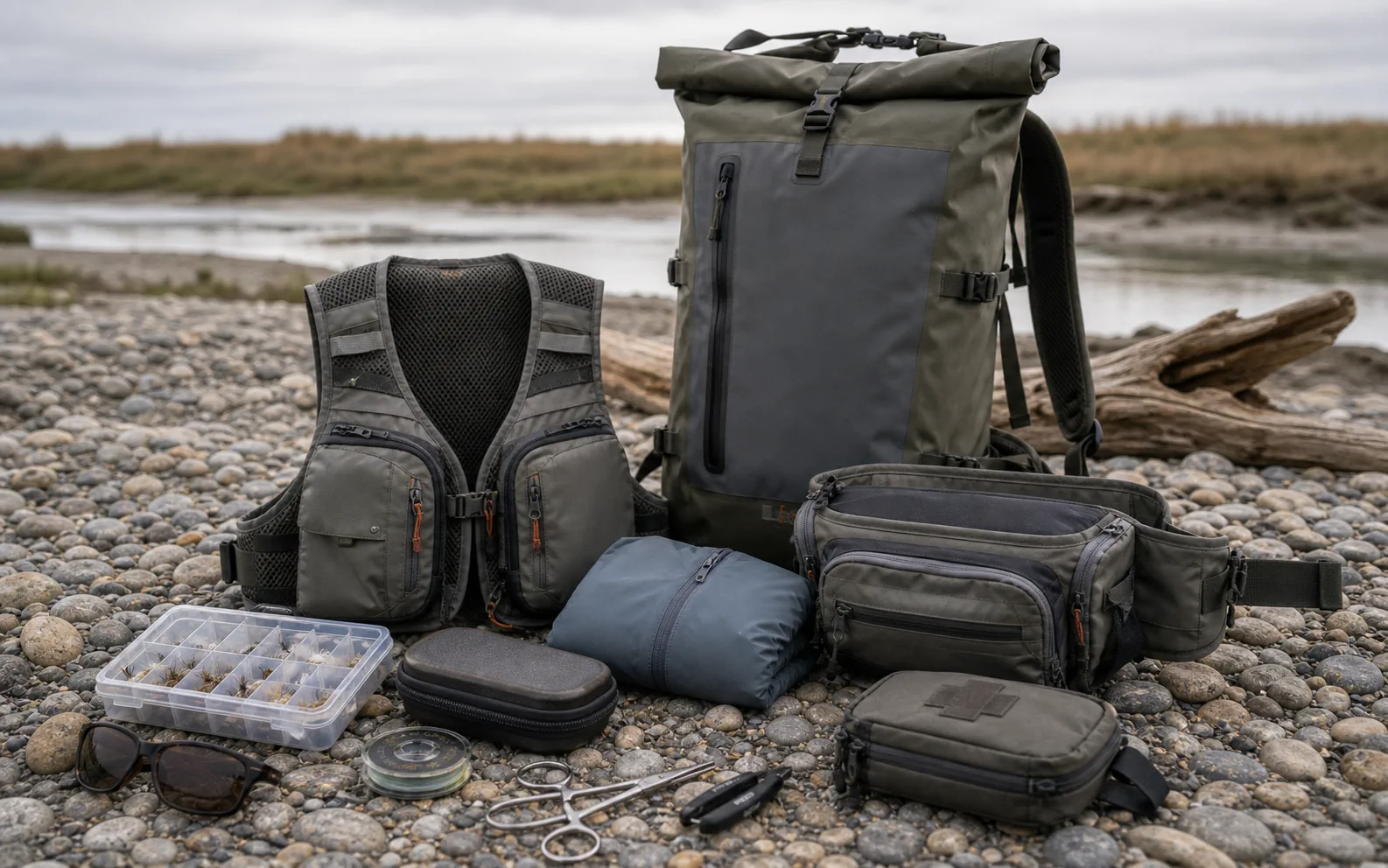
Bags are the sleeper category. A good duffel does not catch fish, but it keeps the system together. When gear is organized, dry enough, and easy to load, you fish more smoothly.
The bottom line
Patagonia is a great company because it has done something rare: it made product quality, environmental responsibility, repair, ownership, and customer trust part of the same story.
For anglers, that story matters most when it becomes practical. A better shell keeps you out longer. A better sun layer helps you fish a full tide. A repairable jacket has more value after the first scrape. A company that publishes its footprint and keeps working on hard problems is easier to trust than one that only sells the image of outdoor life.
The company makes serious gear for serious weather, but the larger reason to care is simpler: Patagonia asks outdoor consumers to think longer term. That is exactly the kind of thinking better fishing demands.
Next step
Build the layer system around the trip
Premium shells, sun layers, fleece, insulation, waders, bags, and repair-aware gear choices work best when each piece is matched to the fishing conditions you see most often.
Sources and useful Patagonia links
- Patagonia ownership structure and purpose
- Patagonia environmental and social footprint
- Patagonia Work in Progress report
- Patagonia 1% for the Planet
- Patagonia Action Works
- Patagonia Worn Wear
- Patagonia repair and product care
- Patagonia Ironclad Guarantee
- B Lab Patagonia profile
- Patagonia rain shell comparison
- Patagonia sun hoody comparison
- Patagonia cold-weather layer comparison
- Patagonia waders and boots comparison
- Patagonia packs and travel-bag comparison