
Field Note
Southern New England Trophy Bluefin Closure: What Tuna Crews Need to Know Now
NOAA closed the 2026 Southern New England recreational trophy bluefin tuna fishery for fish 73 inches and larger. Here is what offshore crews should check before the next run.
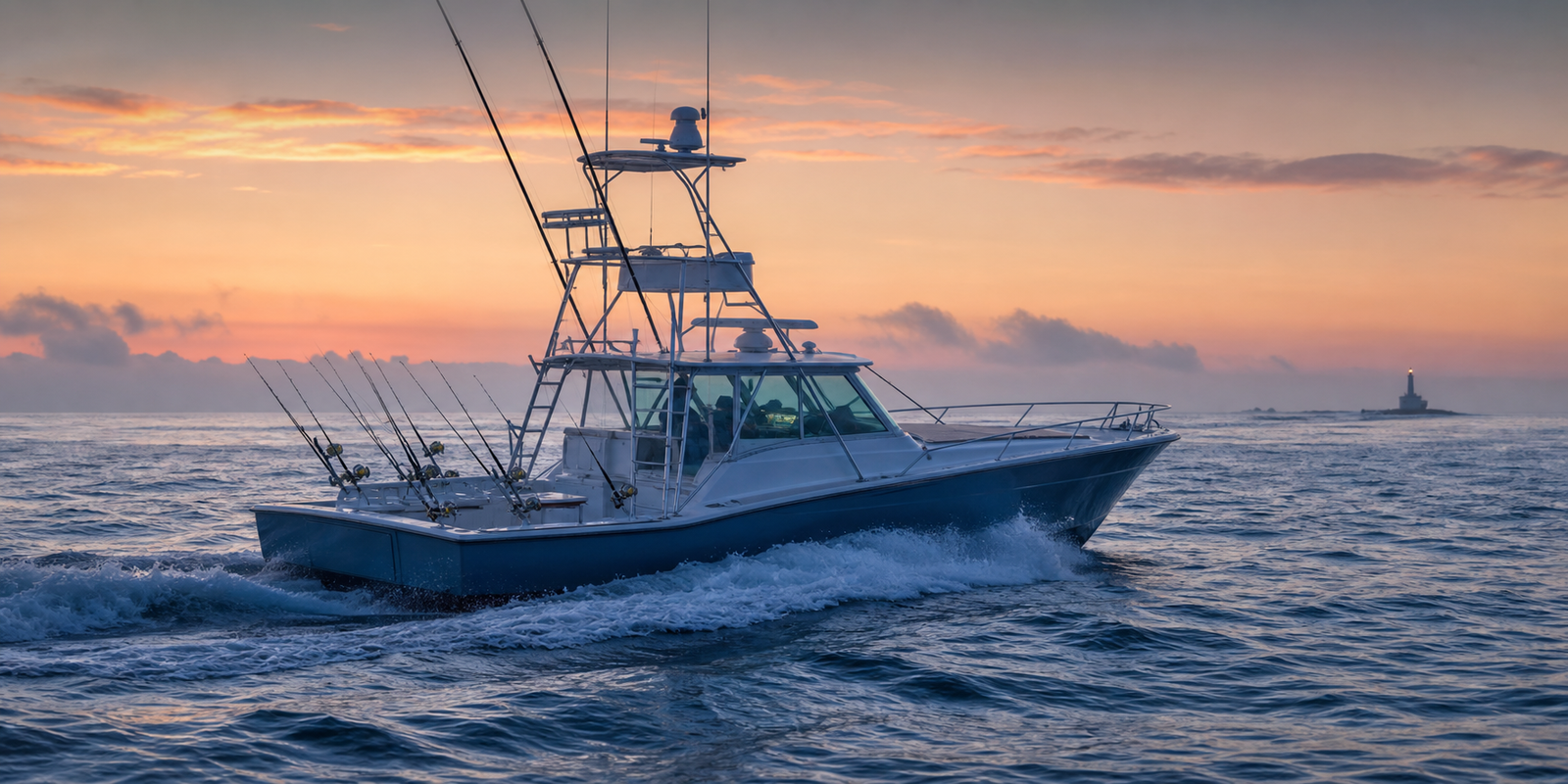
Quick take
NOAA has closed the 2026 Southern New England recreational trophy bluefin tuna fishery for large medium and giant bluefin tuna measuring 73 inches curved fork length or greater. The closure begins at 11:30 p.m. local time on July 3, 2026, and runs through December 31, 2026. If your boat fishes under an HMS Angling permit or an HMS Charter/Headboat permit while fishing recreationally, do not retain, possess, or land a 73-inch-plus bluefin from the Southern New England trophy area during the closure.
Last checked July 3, 2026. Bluefin tuna rules can change quickly. Verify current NOAA HMS rules, permit conditions, reporting requirements, and state/federal notices before leaving the dock.
What changed
NOAA’s National Marine Fisheries Service closed the Angling category Southern New England area trophy bluefin tuna fishery after determining that the 2026 subquota had been reached and exceeded. The Federal Register notice says the affected fish are large medium and giant Atlantic bluefin tuna, commonly called trophy bluefin, measuring 73 inches curved fork length or greater.
The closure applies to vessels with Highly Migratory Species Angling permits and HMS Charter/Headboat permits when those vessels are fishing recreationally. It does not mean every bluefin tuna trip is closed, and it does not replace the need to check the current HMS retention limits for smaller bluefin before a trip.
For weekend crews, the practical translation is simple: if you are fishing the Southern New England trophy area recreationally, treat any 73-inch-plus bluefin as catch-and-release unless NOAA later changes the rule.
The area in plain English
The Federal Register notice defines the Southern New England trophy area as the bluefin trophy area south of latitude 42° N and north of latitude 39°18′ N. In angler terms, that covers a major slice of the offshore water many Northeast crews think about when they plan Cape Cod, Rhode Island, Block Island, Montauk, Long Island, Connecticut, and New Jersey-adjacent tuna runs.
Do not rely on a loose dockside phrase like “south of the Cape” or “off Rhode Island.” Put the actual latitude lines into your chartplotter or planning app, then confirm where your intended grounds sit before anyone on the boat starts talking about keeping a fish.
What crews can still do
The closure is specifically about retaining, possessing, or landing 73-inch-plus trophy bluefin in the Southern New England recreational trophy area. The federal notice also says recreational HMS-permitted vessels may continue catch-and-release or tag-and-release fishing for bluefin, subject to applicable requirements.
That still leaves several pre-trip questions:
- What is the current daily retention limit for bluefin under your permit category?
- Are you fishing recreationally, commercially, or on a charter/headboat trip under a specific permit condition?
- Are you inside the Southern New England trophy area, the Gulf of Maine area, or another trophy area?
- Does your crew know how to measure curved fork length correctly before the fish comes aboard?
- Is everyone clear on reporting, tagging, release, and documentation requirements?
On The Water reported that, as of its July 1 update, anglers could still retain certain bluefin from 27 inches to less than 73 inches under the then-current vessel/day/trip limits. Treat that as a useful prompt, not a substitute for the live NOAA HMS check you should do before every tuna trip.
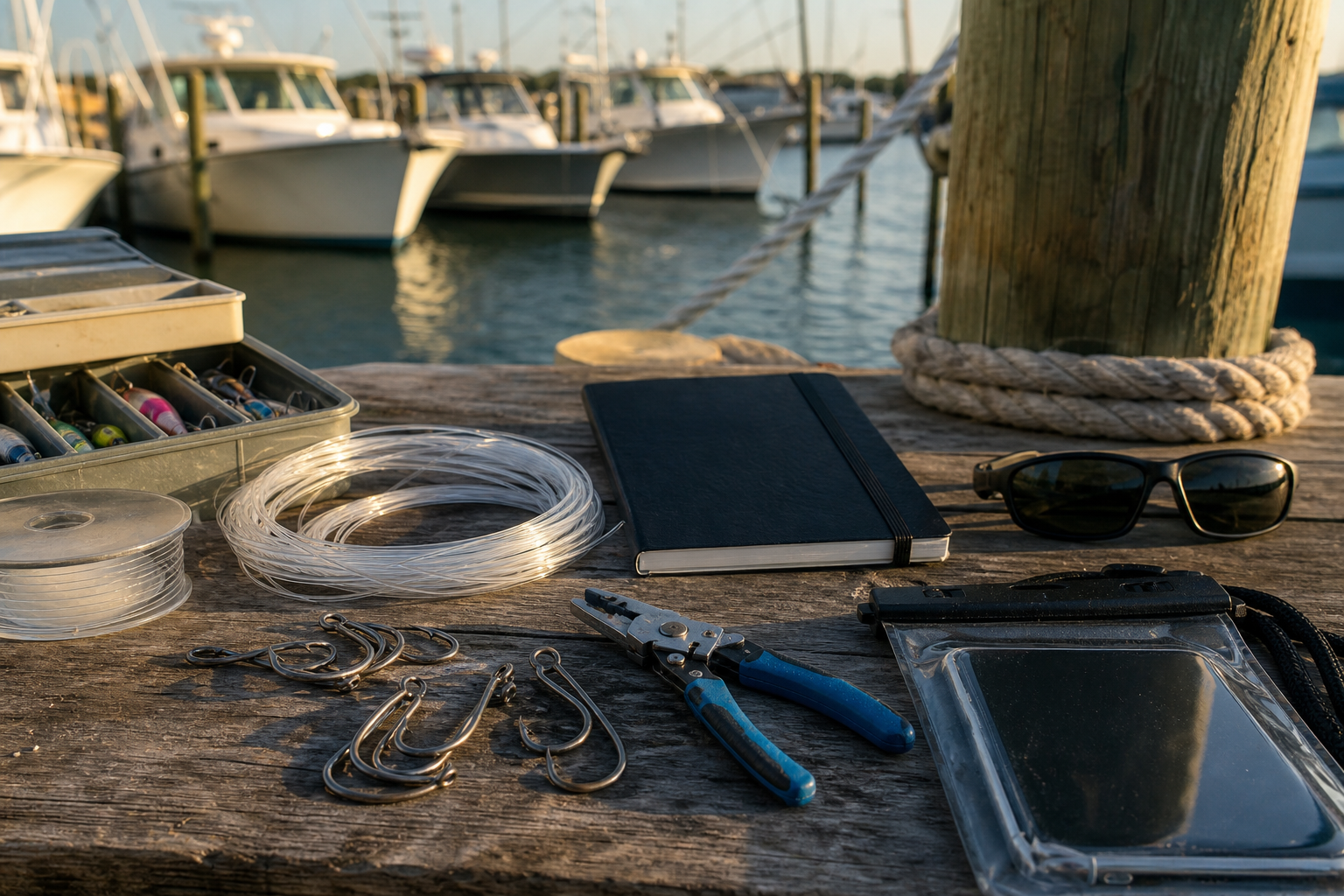
A safer dockside checklist
1. Check the official HMS page before fuel and ice
Bluefin rules can shift mid-season. Make the official NOAA HMS check part of the first go/no-go decision, not something you do after the boat is already loaded.
A good crew lead should confirm:
- Permit category and permit status
- Area and boundary lines
- Size class rules
- Daily retention limits
- Reporting requirements
- Any new closure, adjustment, or restricted fishing day notice
If one person checks the rules, have a second person verify them. Expensive mistakes often start with one confident sentence at the dock.
2. Put the latitude boundary on the screen
If your plotter, app, or paper backup lets you mark latitude lines, do it. The closure turns geography into a compliance issue. A productive temperature break does not help if the fish you want to keep is in the wrong area for your permit and size class.
Use the site’s Northeast Fishing Trip Planner as a broader pre-run habit: weather, wind, visibility, tide, safety gear, electronics, fuel range, and bailout options should all be checked before the tuna decision feels automatic.
3. Measure like the rule depends on it, because it does
The trophy threshold is based on curved fork length. That is not a guess from the cockpit, a photo estimate, or a number someone remembers from last season.
Keep the measuring process clean:
- Use a tape suitable for large fish.
- Measure curved fork length the way the rule requires.
- Photograph only what is appropriate and legal to document.
- If there is uncertainty near the line, choose the conservative decision.
A 73-inch-plus fish is exactly where the closure matters.
4. Brief the crew before the first bite
The worst time to explain a closure is when a big fish is beside the boat and everyone is tired, loud, excited, and trying not to make a mistake. Before lines go in, say out loud what happens if a trophy-class fish eats.
That briefing should cover who handles the leader, who clears the deck, who watches the fish, who checks measurement rules, who handles release tools, and who makes the final keep-or-release call. If the legal answer is release, make the handling plan fast, calm, and fish-first.
Why this closure matters beyond one trip
Bluefin tuna management is quota-driven. The Federal Register notice says the Southern New England trophy subquota was 2.3 metric tons and that NOAA determined it had been reached and exceeded using landings data, catch rates, and anticipated fishing conditions.
That is why a closure can feel abrupt from the dock. A few fish in the trophy class can consume a small area subquota quickly. Crews may still be seeing life, hearing reports, or watching good water set up, but the management trigger has already moved.
For anglers, the useful response is not outrage alone. It is better planning:
- Keep current regulation links saved in the phone.
- Separate rumor from official notice.
- Treat trophy, school, large school, and small medium bluefin as different management questions.
- Know your permit category before inviting crew.
- Build release handling into the plan even when retention is open.
Practical gear and planning notes
This is a regulation story, but it changes the way a tuna day should be packed.
If catch-and-release for a large fish is possible, rig for fast control and clean handling. Keep gloves, dehooking tools, leader cutters, and deck space organized. Make sure the person at the helm and the person on the leader agree on the plan before the fish reaches the boat.
If the day shifts toward smaller legal-size bluefin, the crew still needs a current HMS check, enough ice, clean measuring, and reporting discipline. If the day becomes a scouting or release-only trip, the value may be in finding bait, temperature breaks, whales and birds at a safe distance, and learning which water to revisit when rules and conditions line up.
For electronics and planning setup, start with Fishing Tech and Electronics. For the broader boat kit, use Boat Fishing Gear. For wind, fronts, and safe run decisions, pair those with Fishing Reports and Tides before committing to the run.
Bottom line
The Southern New England trophy bluefin closure is not a reason to stop paying attention. It is a reason to get more precise.
If your boat fishes recreationally under HMS Angling or HMS Charter/Headboat rules in the Southern New England trophy area, the 73-inch-plus keep decision has changed for the rest of 2026 unless NOAA says otherwise. Check the official rule, mark the boundary, brief the crew, and plan the trip around what is legal before the first spread goes out.
Before the next run
Build the regulation check into your tuna trip plan
Use SteveFraney.com for the weather, tide, electronics, and gear side of the plan, then verify the live NOAA HMS rule before you leave the dock.